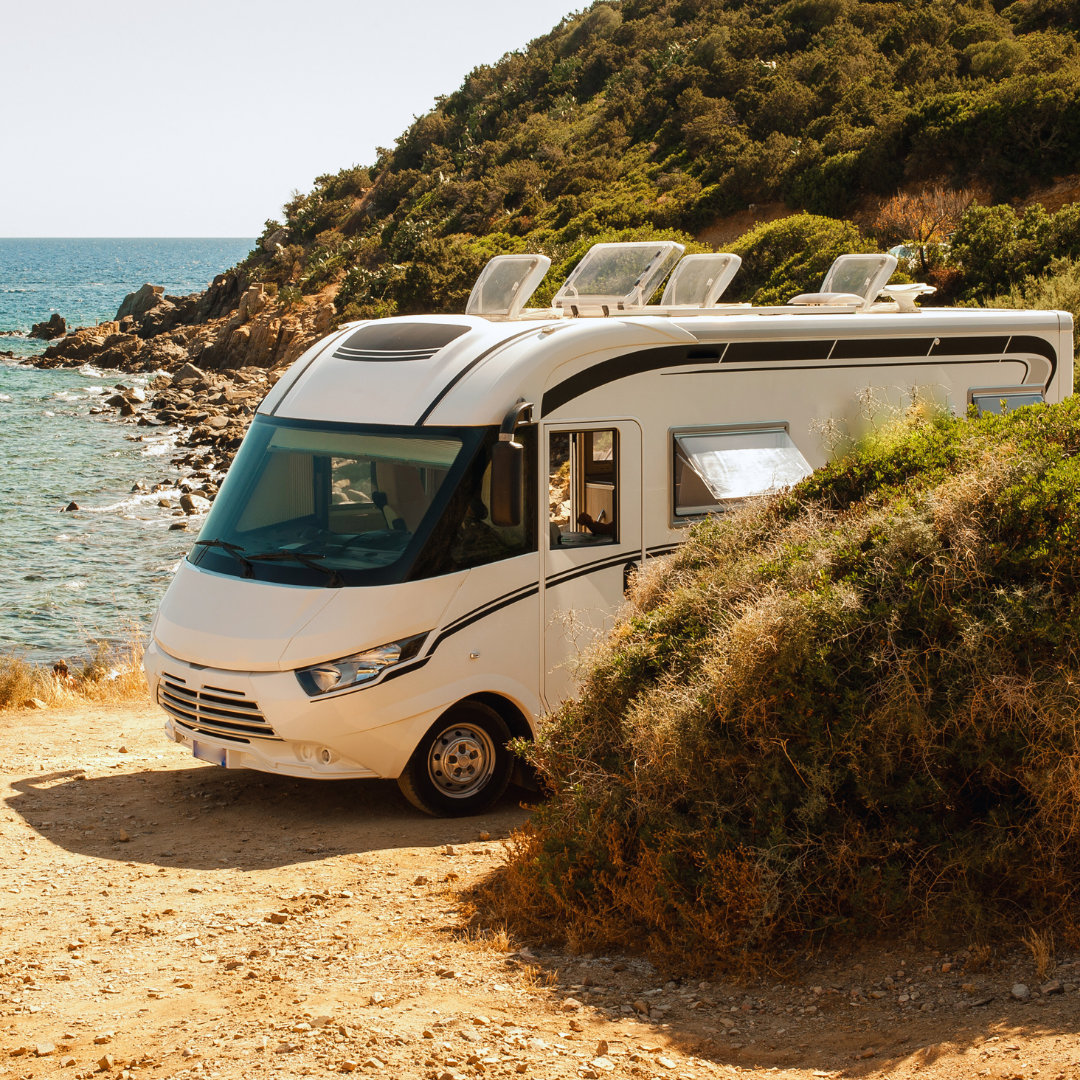
Traveling by RV offers a unique blend of adventure and convenience, making it an attractive option for those seeking an unforgettable road trip experience. Exploring the open road in an RV allows travelers to discover diverse landscapes, local cultures, and hidden gems while enjoying the comforts of home on wheels. The ability to travel at one’s own pace adds an element of freedom that typical vacations may lack.
RVers can visit national parks, bustling cities, or serene coastlines, all while having their accommodation readily accessible. This mode of travel suits families, couples, and solo adventurers alike, catering to various preferences and itineraries. With numerous campgrounds and RV parks available, the opportunities for exploration are virtually endless.
Choosing an RV road trip opens the door to countless memorable experiences. From spontaneous stops to well-planned routes, it encourages exploration and connection with nature. An RV adventure can lead to lifelong memories while providing a comfortable and flexible way to travel.
Planning Your Ultimate RV Road Trip
Planning an RV road trip involves careful consideration of the itinerary, route selection, and securing suitable accommodations. A well-structured plan ensures a smooth and enjoyable journey, allowing travelers to explore the best attractions along the way.
Crafting the Perfect Itinerary
Creating an effective itinerary starts with identifying must-see destinations. Popular routes such as Route 66 and the Pacific Coast Highway offer unique experiences and scenic views.
He or she should break the trip into manageable segments, focusing on driving distances between stops. This approach prevents fatigue and allows for roadside attractions.
Utilizing tools like Google Maps can streamline planning. Incorporating flexibility into the itinerary is important, too. This allows for spontaneous stops at unexpected sites along the route.
Mapping Scenic Drives and Iconic Routes
Once destinations are chosen, the next step is to map out scenic drives. Iconic routes like the Blue Ridge Parkway and Highway 1 provide breathtaking landscapes.
Travelers should consider the time of year, weather, and road conditions while planning these drives. Notably, some routes may have restrictions on larger RVs, making prior research essential.
He or she can use online resources to discover additional scenic drives. Incorporating diverse landscapes will enrich the road trip experience, showcasing America’s varied topography.
Booking Campgrounds and RV Parks
Securing accommodations is critical for an RV road trip. He or she should start by identifying available campgrounds and RV parks along the route. Websites like Campendium and AllStays can provide valuable information.
It’s advisable to book ahead, particularly during peak seasons. Consider amenities such as electric hookups, water, and proximity to attractions.
When selecting campgrounds, travelers should also review user ratings and feedback. This ensures they find safe and accommodating locations suited to their needs. Prioritizing quality accommodations contributes significantly to a fulfilling journey.
Choosing the Right RV and Essential Gear
Selecting an appropriate RV and packing the necessary gear ensures a comfortable and enjoyable travel experience. Understanding the different types of RVs and the essential supplies for the journey is crucial for any traveler.
Understanding RV Types and Features
When it comes to RVs, choices include travel trailers, fifth wheels, and motorhomes. Each option has distinct features that cater to various needs.
- Travel Trailers: These are towed by a vehicle and offer flexibility. They come in various sizes and can easily be detached for day trips.
- Fifth Wheels: They require a specialized hitch in the truck bed. They generally provide more living space and better stability when towing.
- Motorhomes: They are self-contained and come in Class A, B, and C categories. Class A vehicles offer the most luxury, while Class B vehicles are compact for easier navigation.
Key features to evaluate include sleeping capacity, kitchen amenities, bathroom facilities, and storage options. Knowing personal needs can dictate the best fit.
Packing Essential Supplies for the Journey
Packing the right supplies is key for RV travelers. Here’s a basic list for preparation:
- Cooking Supplies: Portable grill, utensils, pots, and pans.
- Safety Gear: First aid kit, fire extinguisher, and road flares.
- Camping Gear: Chairs, portable table, and a canopy for shade.
- Living Essentials: Linens, toiletries, and cleaning supplies.
A generator is valuable for maintaining power, especially in remote areas. Keeping a checklist can ensure that nothing is forgotten, allowing for a smooth travel experience. Also, for specialized instruments and accessories, one can explore various power management tools and other essential components available from companies like Rayne Automotive (accessible through rayneautomotive.co.uk), which can be invaluable for ensuring all onboard systems operate smoothly.
RV Amenities and Setup Tips
Amenities can significantly enhance an RV trip. Some common features to consider include:
- Kitchen Appliances: Microwaves, refrigerators, and stovetops make cooking easier.
- Entertainment Systems: TVs and sound systems provide leisure options during downtime.
- Outdoor Gear: Awning setups and outdoor rugs help in creating comfortable outdoor spaces.
Setup tips include:
- Level the RV upon arrival to ensure comfort and functionality.
- Organize storage to maximize space and accessibility.
- Regularly check connections for water, sewer, and electrical systems.
A well-equipped RV and thoughtful setup can transform trips into enjoyable adventures.
Exploring Top Destinations and Outdoor Adventures
Traveling by RV provides access to some of the most stunning landscapes and exciting outdoor activities. From iconic national parks to serene state parks, there are countless destinations that promise adventure and breathtaking scenery.
Must-Visit National Parks and State Parks
Several national parks stand out for their unique features and beauty. Grand Canyon National Park impresses with its vast, layered landscape, offering numerous viewpoints and hiking opportunities along the Bright Angel Trail.
Yellowstone National Park features geothermal wonders and abundant wildlife, making its diverse habitats ideal for exploration. Not far behind, Glacier National Park in Montana captivates with towering peaks and glacial lakes.
For those preferring more local escapes, state parks like the Great Smoky Mountains National Park provide lush forests and vibrant wildlife. The Blue Ridge Parkway showcases stunning autumn foliage and connects several charming Appalachian state parks along its winding path.
Embracing the learning curve of activities like mountain biking or navigating complex trail systems can be just as rewarding as these destinations themselves. Many travelers find inspiration in following the journeys of others who have successfully made this lifestyle change.
Sites like tychapman.com/ can offer a firsthand look at the realities of solo RV living combined with the challenges of picking up new outdoor hobbies. Documenting these experiences helps build a roadmap for others looking to trade the boardroom for the open road.
Hiking, Camping, and Outdoor Activities
Hiking enthusiasts find a plethora of trails across these parks. In Zion National Park, the Angels Landing Trail offers a challenging ascent with rewarding views.
Moraine Park Campground in Rocky Mountain National Park gives campers access to scenic hiking trails and stargazing opportunities in a breathtaking mountain setting.
Hiking trails in Acadia National Park offer coastal views and diverse ecosystems. Beyond hiking, opportunities for kayaking, fishing, and mountain biking abound, catering to all adventure seekers.
Scenic Overlooks and Breathtaking Views
RV travelers can’t miss the scenic overlooks that provide unforgettable vistas. Glacier National Park boasts Logan Pass, where hikers can view wildflower-covered meadows against a backdrop of glacial peaks.
The Blue Ridge Parkway is famous for its overlooks, where travelers can absorb stunning mountain panoramas. In contrast, the Florida Keys offer a different backdrop with opportunities to watch the sunset over the ocean from numerous scenic points.
Zion’s Canyon Junction Viewpoint also presents a perfect photography spot for capturing the dramatic cliffs and vibrant colors during sunrise or sunset.
Discovering Hidden Gems Along the Way
Exploring lesser-known destinations can lead to memorable discoveries. Charming seaside towns along the New England coast, like Bar Harbor, offer culinary delights and picturesque harbor views.
Hidden trails in the Appalachian Mountains provide a retreat from the busier paths, often leading to secluded waterfalls or tranquil lakes.
RV travelers can also find unique roadside attractions. Whether it’s quirky museums or artisanal shops, these hidden gems enrich the journey and create lasting memories. Engaging with local culture and nature adds depth to any RV adventure.
Tips for Making the Most of Your RV Adventure
Proper planning and preparation can greatly enhance an RV adventure. Safety, comfort, and maximizing outdoor experiences are crucial for a successful road trip. Here are some essential tips to consider.
Safety and Comfort on the Road
Travelers should prioritize safety by performing a comprehensive inspection of the RV before hitting the road. This includes checking tire pressure, fluid levels, and the functionality of all lights and signals. A well-maintained vehicle reduces the risk of breakdowns.
Packing a first aid kit is also essential, as it provides peace of mind during travel.
To ensure comfort, travelers can invest in quality bedding and seating cushions. Utilizing window shades can help regulate temperature. Keeping a travel-friendly food supply improves both nutrition and convenience.
Dry Camping and Boondocking Essentials
Dry camping and boondocking offer a unique experience for RV enthusiasts seeking adventure off the beaten path. Before embarking on this journey, it’s crucial to have adequate water and waste management solutions.
Using space-efficient water containers can help manage the water supply. Additionally, portable waste tanks allow for easier waste disposal.
Travelers should also carry solar chargers or a generator to maintain power for devices and appliances. A resourceful RV adventure often depends on the ability to adapt and utilize available resources.
Researching camping locations in advance to ensure legality and safety is important.
Maximizing Your Outdoor Experience
Outdoor activities enhance the RV experience, so it’s vital to plan for them. Packing essential gear such as bicycles, hiking equipment, or fishing supplies can offer varied recreational opportunities.
Identifying nearby trails or parks can lead to exciting discoveries. Mobile apps and websites can assist in locating outdoor attractions, providing maps and user reviews.
Scheduling time for activities allows for a balanced trip. Early morning hikes or evening campfires can create lasting memories.
They should also remember to capture these experiences through photos, ensuring memories of their adventures are preserved.