Travel anxiety can often overshadow the excitement of a much-anticipated trip. Identifying triggers and employing practical strategies can significantly help alleviate this anxiety before embarking on a journey. Understanding the root causes of pre-trip anxiety allows travelers to address their concerns more effectively and enjoy the experience.
Preparation plays a crucial role in managing travel anxiety. By organizing travel details, creating checklists, and having contingency plans, travelers can foster a sense of control. Techniques such as mindfulness practices and breathing exercises also contribute to reducing anxiety levels ahead of the trip.
Connecting with fellow travelers or seeking support from friends can provide reassurance. Sharing experiences and insights can normalize feelings of anxiety and present additional coping strategies. Embracing these approaches ensures that the journey remains enjoyable from start to finish.
Understanding Travel Anxiety and Its Causes
Travel anxiety can stem from various sources and may manifest in different ways. Identifying the triggers and understanding the nature of this anxiety can help individuals manage their feelings before embarking on a trip.
Common Triggers of Pre-Trip Anxiety
Several factors can lead to pre-trip anxiety. Uncertainty about the destination often creates stress, especially if the environment is unfamiliar. Concerns about logistics, such as flight delays, accommodation, and itinerary complications, can heighten tensions.
Personal expectations also play a role. Individuals may feel pressure to have a perfect trip, leading to heightened anxiety about not meeting these standards. Financial worries related to travel expenses can contribute further, creating a mix of apprehension and stress.
How Travel Anxiety Manifests
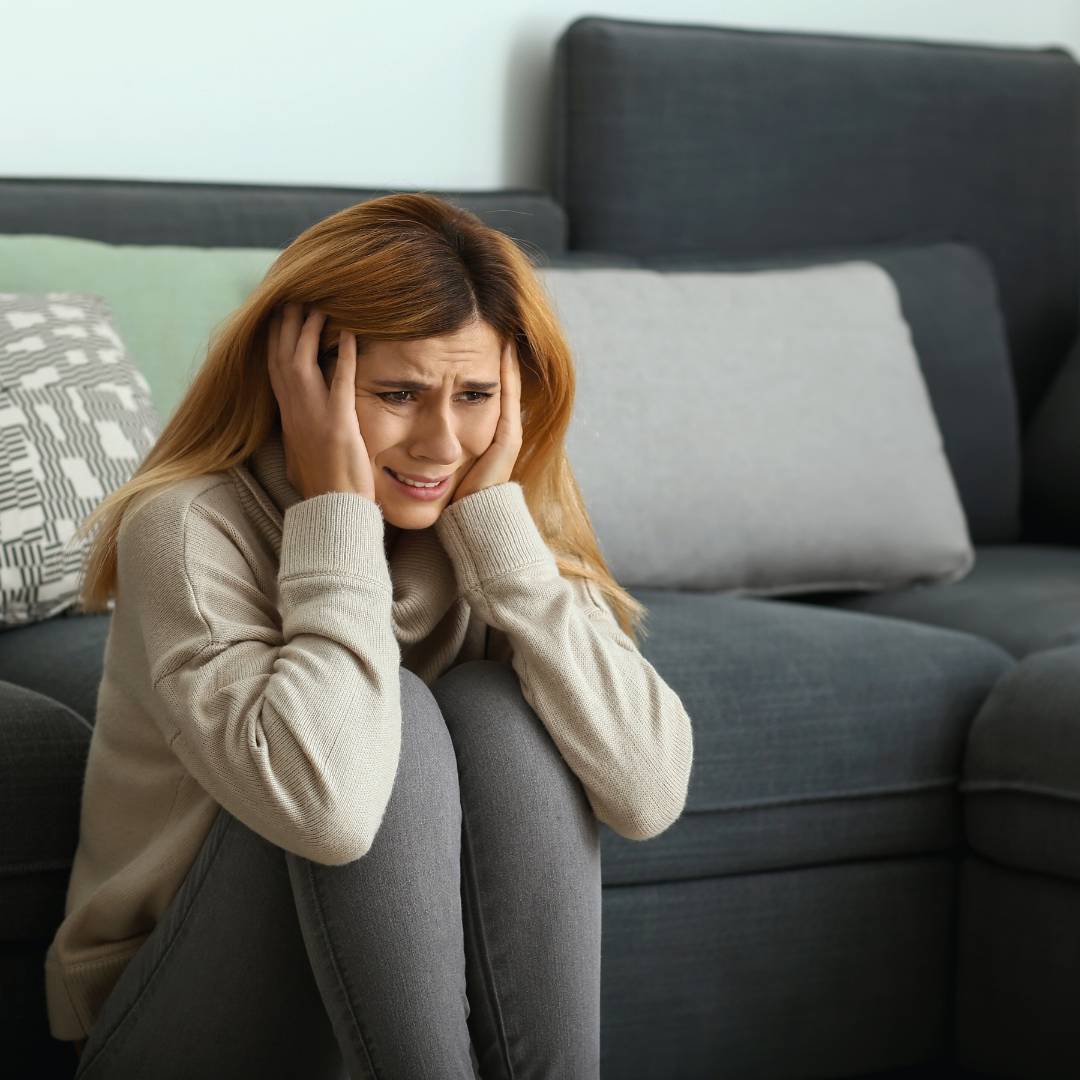
Travel anxiety can appear through both emotional and physical symptoms. Emotionally, individuals may experience feelings of dread, irritability, or fear. Physically, symptoms can include increased heart rate, sweating, or gastrointestinal disturbances.
Some may find it difficult to concentrate or may have difficulty sleeping as the travel date approaches. These symptoms can escalate into panic attacks in more severe cases. Understanding these manifestations can help individuals recognize when they are experiencing travel anxiety and seek appropriate coping strategies.
Recognizing Flight Anxiety and Fear of Flying
Flight anxiety specifically pertains to the fear of flying. This can originate from a fear of heights, claustrophobia, or a lack of control during flight. Individuals may fear turbulence or imagine worst-case scenarios related to aviation incidents.
Symptoms of flight anxiety can include sweating, crying, or an overwhelming sense of panic during takeoff or landing. Knowing these characteristics can assist individuals in developing coping methods, such as breath control techniques or exposure therapy, to lessen their fear before flying.
Effective Techniques to Manage Travel Anxiety
To effectively manage travel anxiety, implementing specific techniques can significantly enhance the travel experience. By practicing relaxation methods, utilizing breathing exercises, visualizing positive outcomes, and seeking support, travelers can reduce their stress levels and enjoy their journeys more fully.
Relaxation Techniques for Before and During Your Trip
Relaxation techniques can be beneficial both before and during travel. Simple methods, such as progressive muscle relaxation, involve tensing and then relaxing each muscle group. This can be done at home or in-flight.
Mindfulness meditation is another effective option. By focusing on the present moment, individuals can ease their minds and eliminate anxious thoughts. Setting aside just a few minutes each day for these techniques can make a noticeable difference.
In-flight, wearing noise-canceling headphones and using a neck pillow can enhance comfort and relaxation. Listening to soothing music or nature sounds can also provide a calming effect during stressful moments.
The Role of Breathing Exercises and Breathing Techniques
Breathing exercises play a critical role in managing panic and anxiety during travel. One effective technique is the 4-7-8 method. It involves inhaling through the nose for four seconds, holding the breath for seven seconds, and exhaling through the mouth for eight seconds. This method slows the heart rate and promotes relaxation.
Another option is diaphragmatic breathing, where individuals focus on breathing deeply from the diaphragm rather than shallow breaths. This promotes oxygen flow and reduces feelings of anxiety. Practicing these techniques consistently can build confidence before, during, and after trips.
Using Visualization and Mindfulness
Visualization techniques can significantly reduce anxiety by imagining positive travel experiences. Travelers are encouraged to visualize themselves at their destination, enjoying activities and feeling relaxed. This mental rehearsal makes it easier to handle real-life situations when they arise.
Combining visualization with mindfulness strengthens the practice. By focusing on sensory details, such as the sights, sounds, and smells of their destination, travelers can create a vivid mental image that eases their anxiety. Regular practice before travel can help establish this mental toolkit.
Seeking Support From Flight Attendants and Companions
Flight attendants are trained professionals who can provide support during travel. Informing them about anxiety can lead to accommodations, such as early boarding or a quieter area on the flight. They can assist with any immediate needs and help create a more comfortable environment.
Travel companions can also play a pivotal role. Having a supportive friend or family member can be reassuring. It’s helpful for companions to know about the traveler’s anxiety so they can provide encouragement and distractions, whether it’s through conversation or activities. This collective support can enhance the overall travel experience.
Practical Preparations for a Stress-Free Journey
Proper preparations can significantly reduce travel anxiety. Focusing on essential documents, understanding the value of travel insurance, and utilizing security options like a travel credit card can enhance readiness for any trip.
Ensuring All Important Documents Are Ready
Before traveling, it is crucial to gather and organize all important documents. Passports, visas, itineraries, and hotel confirmations should be placed in a travel wallet for easy access.
A checklist can help ensure nothing is overlooked. Notably, travelers should verify that their passport has at least six months’ validity beyond their return date, as many countries enforce this rule.
Additionally, keeping digital copies of these documents stored securely on a device or in the cloud offers a backup in case of loss or theft. This proactive measure can provide peace of mind while traveling.
Understanding the Benefits of Travel Insurance
Travel insurance is an invaluable tool for mitigating risk during a trip. It can cover a range of incidents, including trip cancellations, lost luggage, and medical emergencies.
When selecting a policy, travelers should compare coverage options and prioritize those that offer comprehensive protection for their specific needs. Benefits often include emergency medical coverage, which is especially important when traveling abroad.
Reading the fine print is essential. It ensures that travelers understand the exclusions and conditions that may apply. This knowledge helps them make informed decisions about the right travel insurance for their journey.
Using a Travel Credit Card for Security
A travel credit card can enhance security while traveling. These cards often provide benefits like travel-related insurance, fraud protection, and rewards points for purchases.
When choosing a travel credit card, it’s wise to look for features such as no foreign transaction fees, which can save money during international trips. Some cards also offer complimentary travel insurance or protection against delays.
Using a credit card instead of cash not only secures funds but also builds a travel rewards balance. This can result in discounts or free items during future trips. Travelers should ensure they notify their credit card provider of their travel plans to avoid blocks on their account.