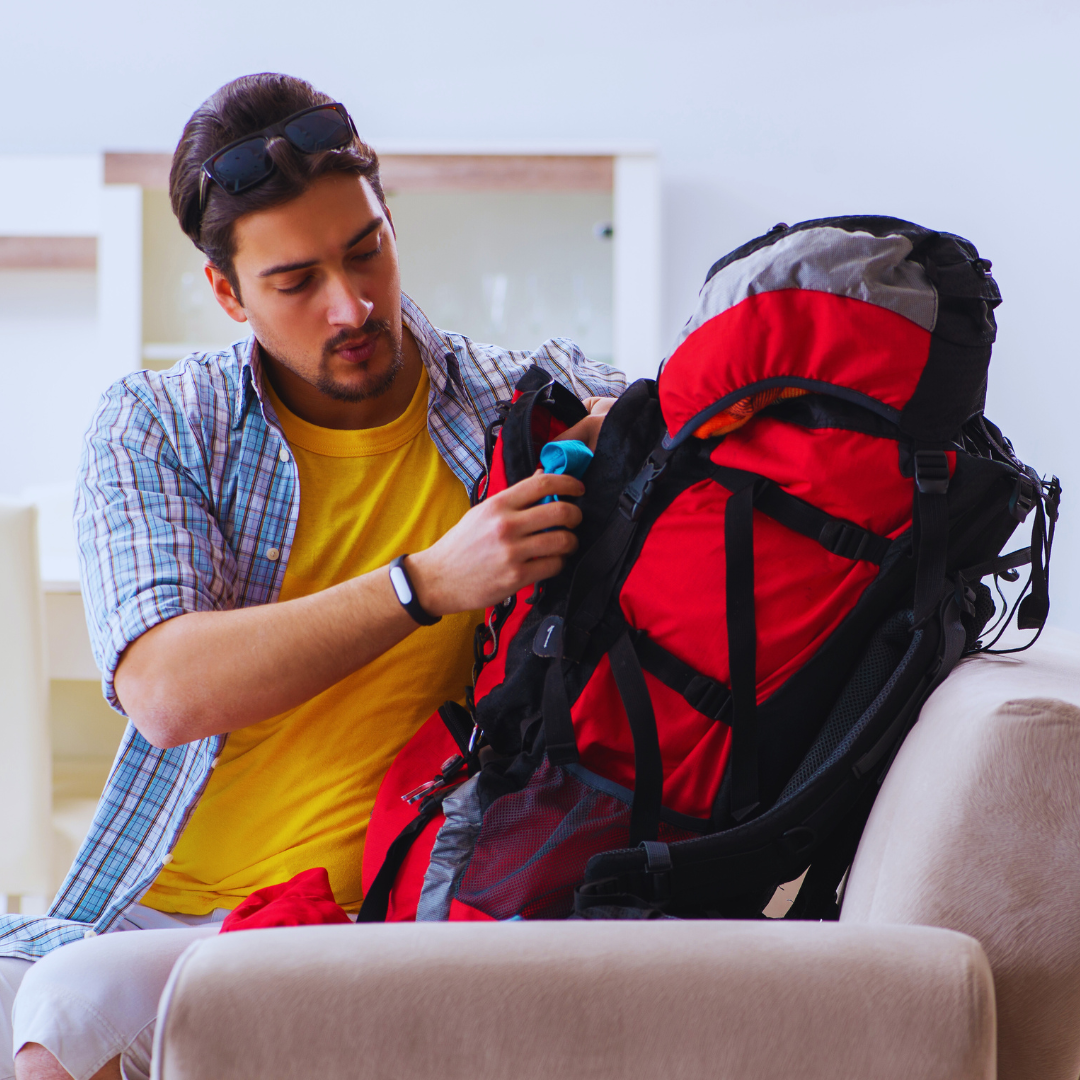
Every adventurer knows the importance of packing wisely for an outing. Whether trekking through dense forests or scaling rocky mountains, carrying lightweight essentials can significantly enhance the experience. A well-curated selection of gear not only improves mobility but also ensures safety and comfort in the wild.
Choosing the right items can seem daunting. Prioritizing functionality and weight will streamline packing and reduce fatigue. From versatile clothing to compact tools, these essentials equip any adventurer to face the challenges ahead with confidence.
Exploring the outdoors requires preparation, and being equipped with the right gear makes all the difference. Understanding which lightweight items to take can transform a cumbersome load into a manageable pack, allowing for a more enjoyable journey.
Crucial Lightweight Essentials for Every Adventurer
Being prepared with the right lightweight essentials enhances safety and enjoyment during any adventure. Focus on navigation tools, first aid supplies, hydration options, and energizing snacks to ensure a successful outing.
Navigation Tools and Maps
Every adventurer must prioritize navigation tools to prevent getting lost. A compass is essential for traditional navigation, providing a reliable way to assess direction. Pair it with offline maps for clarity in areas without cell service; printed maps or downloadable versions on a smartphone can be invaluable.
A GPS device adds convenience, offering real-time locations and routes. Ensure the device is fully charged before heading out. Opt for a compact model that fits easily in a pocket or bag. Carrying both digital and physical navigation aids ensures redundancy for better safety.
First Aid Fundamentals
A well-stocked first aid kit is vital for any adventure. Include bandages of various sizes to address minor cuts and scrapes. Antiseptic wipes help clean wounds and reduce infection risk.
Stock pain relievers for headaches or muscle strains, and consider personal medications that may be necessary. Include a list of emergency contact information in the kit, providing crucial details for first responders if needed. This preparedness helps manage risks effectively during outdoor activities.
Hydration Solutions
Staying hydrated is crucial for endurance and safety. A reusable water bottle is a lightweight and eco-friendly option. Choose one that is insulated to keep drinks cold.
Consider carrying purification tablets or a water filter to ensure safe drinking water from natural sources. This reduces the need to carry excessive water but ensures hydration remains a priority.
Hydration packs are also useful for easy access, allowing adventurers to sip while on the move, further promoting adequate fluid intake throughout the journey.
High-Energy Snacks
High-energy snacks provide necessary fuel during excursions. Trail mix is a popular choice, mixing nuts, seeds, and dried fruit for a balanced energy boost.
Energy bars are convenient and often packed with nutrients, making them easy to consume on the go. Selecting varieties with natural ingredients is beneficial to avoid sugar crashes.
Dried fruit offers natural sweetness and added fiber, serving as a healthy snack option. Carrying a combination of these options ensures sustained energy levels, enhancing the overall adventure experience.
Smart Clothing and Protective Gear
Adventurers need smart clothing and protective gear to stay comfortable and safe in various environments. Focusing on layering, sun protection, and weatherproof options can greatly enhance the outdoor experience.
Layering for Changing Conditions
Layering is essential for adapting to fluctuating temperatures and conditions. Starting with moisture-wicking base layers, these fabrics draw sweat away from the skin, promoting comfort during physical activity.
Next, insulating mid-layers, such as fleece or down vests, provide warmth without bulk. These layers retain heat while remaining breathable, ensuring that an adventurer stays cozy without overheating.
Finally, a weather-appropriate outer layer—like a lightweight, waterproof shell—protects against wind and rain. Each layer can be added or removed as needed, allowing for easy regulation of body temperature.
Sun and Insect Protection
Protecting against sun and insect exposure is crucial during outdoor activities. A wide-brimmed hat provides shade for the face and neck, reducing the risk of sunburn. Sunglasses with UV protection safeguard the eyes from harmful rays.
Sunscreen with a high SPF is vital for preventing skin damage. It’s recommended to reapply every two hours, especially during hikes under direct sunlight. Insect repellent is also important, particularly during warmer months.
Utilizing clothing with built-in UV protection and lightweight, long-sleeved shirts helps shield the skin while remaining breathable.
Weatherproof Outerwear and Footwear
Choosing appropriate outerwear and footwear is key to climate resilience. A waterproof outer layer, made from materials such as Gore-Tex, offers reliable water resistance while remaining breathable. This will keep clothing dry and comfortable during unexpected rain.
Hiking boots should provide ankle support and traction, essential for varied terrain. Look for boots with waterproof capabilities to keep feet dry.
Ultimately, selecting the right gear ensures that adventurers are prepared for whatever nature presents, allowing them to focus on the experience rather than discomfort.
Lightweight Equipment and Emergency Tools
Adventurers must prioritize lightweight equipment and emergency tools to ensure safety and comfort during their excursions. The right gear can make a significant difference in challenging situations. The following sections detail essential items to carry for shelter, lighting, fire-starting, and versatile safety gear.
Shelter Solutions
When venturing outdoors, finding reliable shelter is crucial. Lightweight options include hex tarps, which can be set up quickly in various configurations. A small backpacking tent is also useful, providing robust protection against the elements while remaining portable.
Emergency shelters like bivy sacks are excellent backups. They are compact and easy to pack, making them ideal for unexpected overnight stays.
Sleeping bags designed for backpacking should pack small and offer sufficient warmth for the conditions expected. A well-chosen sleeping bag enhances rest and overall performance during adventures.
Lighting and Power
Adequate lighting options are vital for safe navigation after dark. A high-quality headlamp allows for hands-free illumination, essential for cooking, navigation, or setting up a camp at night.
A lightweight flashlight should complement the headlamp, providing backup lighting. Both should operate on easily replaceable extra batteries, ensuring longevity throughout the trip.
Solar-powered chargers are also practical for keeping devices powered on extended excursions. They effectively harness sunlight, guaranteeing adventurers can recharge without carrying heavy batteries.
Fire-Starting Kits
Fire is a crucial element for warmth, cooking, and signaling in emergencies. A compact fire starter should include multiple options like a lighter, waterproof matches, and a fire starter rod.
Adventurers can enhance their fire-starting kit with tinder, such as cotton balls or dryer lint, to ignite flames easily.
Packing fire starters in a waterproof bag can prevent damage and ensure they are reliable when needed. It is advisable to practice fire-starting techniques before heading out to build confidence in different conditions.
Versatile Gear for Safety
Versatile gear enhances safety in the wilderness. A reliable multi-tool can serve multiple functions, from cutting rope to opening canned meals. Likewise, a good knife is essential for food preparation and emergency situations.
Including a whistle in the pack is critical for signaling in distress. It is lightweight and easy to carry while amplifying sound over long distances.
A length of rope can serve various purposes, such as securing gear or creating makeshift shelters. Ensuring gear remains well-organized within a backpack facilitates quick access to essential items during emergencies.
Practical Additions for Comfort, Organization, and Responsibility
Comfort and organization significantly enhance the adventure experience while instilling a sense of responsibility. Preparing with the right tools and practices ensures not only efficiency but also respects the environment and one’s fellow adventurers.
Travel Organization Tips
Effective organization can transform a chaotic trip into a smooth adventure. An itinerary is invaluable, detailing daily activities and routes. This helps avoid delays during weekend camping trips or urban exploration.
Using packing cubes can optimize space in a backpack, keeping items sorted. Lists of essential adventure gear, like a portable stove or first aid kit, help prevent oversights. A trash bag is essential for waste management during outdoor activities, promoting a clean environment.
Emphasizing a minimalist approach encourages packing only the necessary items, reducing weight while ensuring readiness for unexpected situations.
Leave No Trace Practices
Responsibility in nature is crucial. Following Leave No Trace principles protects the environment. This includes disposing of waste properly, making the trash bag an essential item.
Adventurers should also stick to established trails to minimize impact on vegetation. Avoiding the collection of natural items preserves ecosystems. It’s advisable to camp at least 200 feet away from lakes and streams to protect water quality.
By using eco-friendly products, adventurers can reduce their environmental footprint. These practices ensure that outdoor adventures remain enjoyable and sustainable for future generations.
Safety and Preparedness
Preparation is key to safety in outdoor adventures. A well-stocked first aid kit should be an integral part of any gear setup. Including items like band-aids, antiseptic wipes, and any necessary medications ensures readiness for minor injuries.
It’s also important to have a reliable means of communication. A charged portable power bank can keep devices operational for emergencies.
Adventurers should familiarize themselves with weather conditions beforehand. This knowledge aids in selecting appropriate gear. Being prepared for sudden weather changes is essential, especially during camping trips.
Carrying a whistle can also enhance safety, providing a way to signal for help if needed.