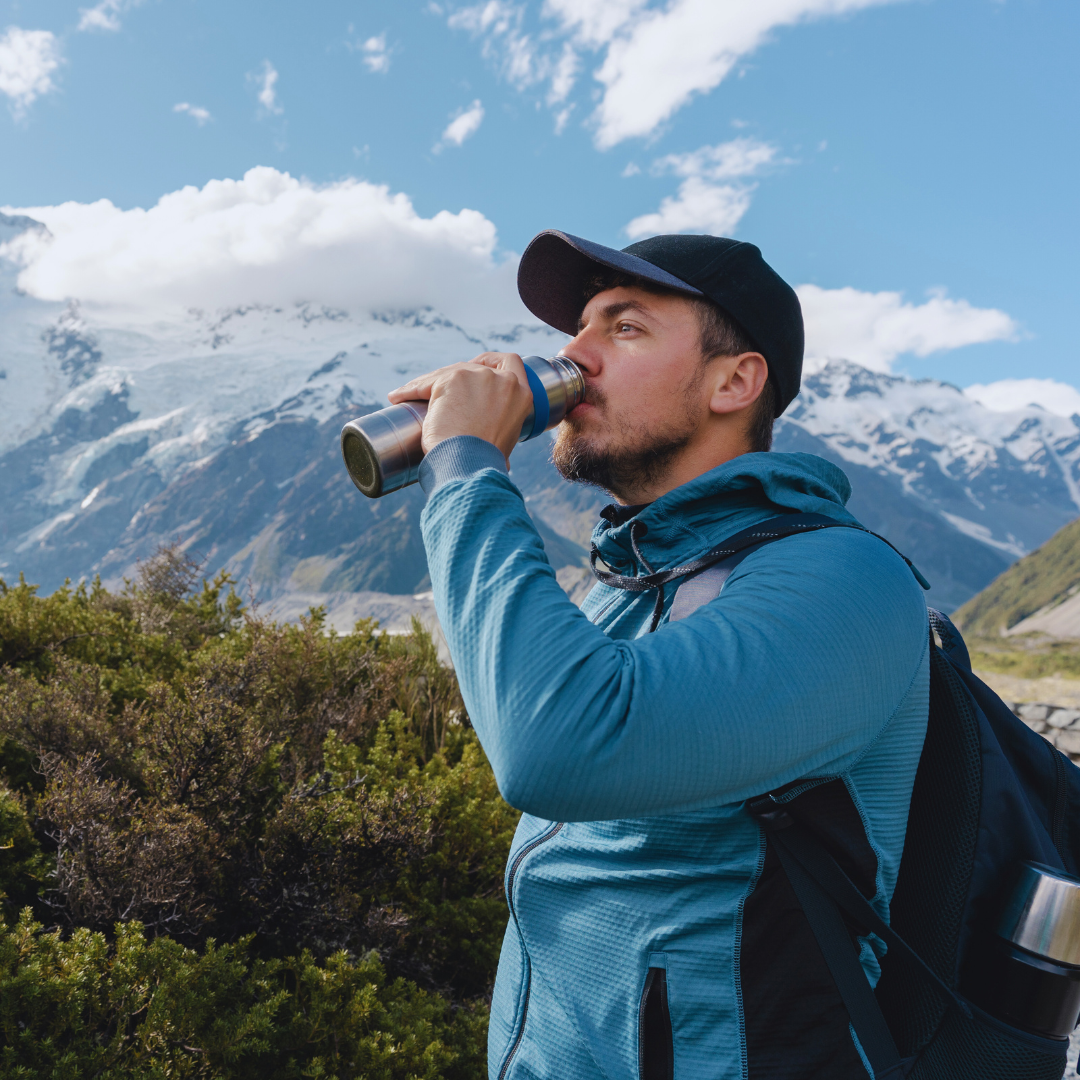
Staying hydrated is crucial for maintaining energy and focus during long-distance treks. Planning ahead with a reliable hydration strategy can significantly enhance a trekker’s experience, making it not only safer but also more enjoyable. Knowing how to manage water supply and consumption will help prevent fatigue and discomfort caused by dehydration.
Trekkers should prioritize carrying enough water and identifying reliable water sources along their routes. Utilizing hydration packs or easily accessible water bottles allows for frequent sipping, reducing the risk of becoming dehydrated. Moreover, understanding the signs of dehydration and adjusting water intake based on weather conditions and activity levels can make a noticeable difference.
In addition to water, electrolytes play a key role in hydration. Including electrolyte-rich snacks or drinks can help maintain balance and support endurance. By applying these strategies, trekkers can ensure they stay hydrated and energized for the adventures ahead.
Why Hydration Is Essential for Long-Distance Treks
Maintaining proper hydration during long-distance treks is vital for physical performance and overall safety. Insufficient water intake can lead to dehydration, which significantly affects energy levels, stamina, and health. Awareness of hydration’s impact and the risks associated with dehydration is crucial for all hikers.
Hydration and Physical Performance
Hydration directly influences physical performance during treks. When adequately hydrated, the body efficiently regulates temperature, reduces fatigue, and supports cardiovascular function. Water aids in transporting nutrients and removing waste, ensuring optimal muscle function and energy levels.
For example, a hydrated individual can perform at about 100% efficiency, whereas dehydration as little as 2% can decrease endurance by 10-20%. Maintaining hydration helps stave off muscle cramps and enhances overall physical capabilities.
Dehydration Risks and Warning Signs
Dehydration poses significant risks, especially on prolonged hikes. The body loses fluids through sweat and respiration; thus, regular water intake is essential. Common signs of dehydration include dry mouth, fatigue, dizziness, and dark urine.
Severe dehydration can lead to serious complications like heat exhaustion or heat stroke. Hikers must remain vigilant and observe their physical states; addressing early symptoms can prevent prolonged fatigue and health risks.
Hydration’s Role in Endurance and Stamina
Hydration is crucial for sustaining endurance and stamina during long treks. Water consumption before, during, and after hikes supports optimal performance and recovery. A well-hydrated individual can maintain a steady energy level and experience a reduced onset of fatigue.
Studies show that fluid loss greater than 3% of body weight can significantly impair physical performance. Maintaining hydration helps sustain an athlete’s endurance, allowing them to cover longer distances without excessive strain. Staying informed about hydration needs can enhance hiking experiences and ensure long-term enjoyment of the activity.
Planning Hydration for Your Trek
Effective hydration planning can significantly impact performance and comfort during long-distance treks. This section discusses pre-hike strategies, assessing hydration needs based on conditions, monitoring water intake, and identifying water sources.
Pre-Hike Hydration Strategy
Before a trek, proper pre-hydration is essential. Individuals should begin increasing their fluid intake 24 to 48 hours prior to departure. This can help the body adapt and store extra fluids.
Aiming for at least 8-10 ounces of water every hour leading up to the hike is recommended. Including electrolyte-rich beverages can also optimize hydration levels and prevent depletion.
Packing essential water containers is crucial. Options may include collapsible hydration bladders or lightweight water bottles. Assessing personal preferences will guide the choice of containers for the trek.
Assessing Hydration Needs Based on Conditions
Hydration needs vary based on environmental and physical factors. High temperatures and humidity can lead to increased fluid loss. Individuals should monitor their activity level and the difficulty of the terrain, adjusting hydration accordingly.
Estimating a baseline of 0.5 to 1 liter of water per hour is useful for many hikers. In extreme conditions, this amount should be increased to prevent dehydration.
Knowing one’s own body cues, such as dry mouth or decreased energy levels, is essential. Such indicators can signal the need for increased water intake throughout the trek.
Water Intake Guidelines and Monitoring
Maintaining a consistent water intake is key. A general rule of thumb is to drink every 15 to 20 minutes. This can be facilitated by setting reminders or using hydration packs.
Keeping track of fluid consumption can assist in adhering to guidelines. It’s advisable to monitor urine color: pale yellow indicates adequate hydration, while darker shades suggest a need for more fluids.
Incorporating water breaks into the trekking schedule can ensure consistent hydration. Designating specific times to pause for water intake helps maintain energy and prevent fatigue.
Identifying Water Sources and Refill Points
Planning for water sources along the route is vital. Maps and trail apps can provide valuable information on potential refill points. Streams, lakes, and campgrounds are typical sources.
Before embarking, researching the reliability of these water sources is essential. Conditions may vary based on seasonal changes or trail maintenance.
Bringing water purification methods like filters or tablets is advisable. This ensures the safety of any water collected during the hike. Knowing where and how to gather water can significantly enhance a hydration strategy and overall trekking experience.
Hydration Gear and Techniques
Proper hydration is crucial during long-distance treks. Choosing suitable gear and employing effective techniques can make a significant difference in maintaining hydration levels on the trail.
Choosing Between Water Bottles, Hydration Bladders, and Packs
Water bottles are versatile and easy to refill. They come in various sizes, typically ranging from 0.5 to 2 liters. Many models are designed with insulation to keep water cold.
Hydration bladders fit into a backpack and offer hands-free drinking through a tube. They usually range from 1 to 3 liters. The convenience of sipping while walking makes them popular among trekkers.
Hydration packs combine a small backpack with a built-in hydration bladder. They often feature additional storage for essentials. This option is ideal for those requiring both hydration and gear on extended hikes.
Continuous Hydration Systems for Trekking
Continuous hydration systems, such as hydration bladders and packs, offer a practical solution for staying hydrated. By allowing trekkers to drink water without stopping, these systems ensure consistent fluid intake.
Some models include an integrated bite valve, minimizing spills. Adjustable hoses provide flexibility in positioning the drinking tube, making access easy.
It’s essential to choose a system that suits the trek duration. Longer treks may require larger bladders or additional water storage options, while shorter trips can typically rely on smaller setups.
Water Purification Methods for the Trail
Access to safe drinking water is vital when trekking. Several water purification methods can help ensure that water sources are safe to consume.
Filters effectively remove bacteria and protozoa. Portable water filters can be efficient for on-the-go purification.
Chemical treatments utilize iodine or chlorine dioxide to kill pathogens. Tablets are lightweight and easy to store, making them ideal for backpackers.
UV purifiers use ultraviolet light to disinfect water. They are quick and effective, but they require batteries, which may be a concern on long treks.
Each method has its advantages and limitations, often influenced by the water source quality and trek length.
Packing Efficient Hydration Gear
When packing hydration gear, weight and space are important considerations. Opt for lightweight materials and compact designs to minimize bulk.
Include extra capacity for water storage if traversing remote areas. This may involve packing additional bottles or a larger hydration bladder.
Always carry backup purification methods, such as tablets or filters, in case primary systems fail. This redundancy can prevent dehydration when facing unexpected situations.
Prioritizing hydration gear according to trek type and individual needs enhances the overall hiking experience.
Electrolyte and Nutrition Balance
Maintaining electrolyte balance during long-distance treks is essential for optimal hydration and performance. Knowing how to replace lost electrolytes and fuel the body with appropriate nutrition can enhance endurance and prevent dehydration-related issues.
Understanding Electrolyte Loss and Replacement
Electrolytes such as sodium, potassium, magnesium, and calcium are vital for proper bodily functions. They regulate fluid balance, muscle contractions, and nerve signaling. During physical activities like long-distance trekking, sweating can lead to significant electrolyte loss.
It is crucial to monitor these levels, as inadequate replacement can lead to cramps, fatigue, and decreased performance. Each person’s sweat composition varies, making individual hydration strategies essential. Thoroughly assessing personal needs involves experimenting with fluid and electrolyte intake during training.
Electrolyte Tablets and Sports Drinks
Electrolyte tablets and sports drinks provide convenient ways to replenish lost electrolytes. Sports drinks are designed to restore both fluids and electrolytes lost during intense physical exertion. These drinks typically contain a combination of sodium, potassium, and carbohydrates, helping to maintain energy levels.
Electrolyte tablets offer versatility and portability. They can be dissolved in water, allowing trekkers to customize their intake based on sweat rate and intensity. It is important to read labels carefully; some drinks and tablets contain added sugars or artificial flavors that may not be beneficial.
Balanced Nutrition: Energy Bars, Nuts, and Trail Mix
Balanced nutrition plays a critical role in maintaining energy levels throughout treks. Energy bars that contain complex carbohydrates, proteins, and healthy fats can serve as effective snacks. Look for bars with a balanced macronutrient profile to sustain energy.
Nuts are an excellent source of healthy fats and provide essential nutrients like magnesium. They are calorie-dense, making them a smart choice for long excursions. Trail mix, combining nuts, dried fruits, and sometimes chocolate, offers a varied source of energy. This mix provides quick-digesting sugars and sustained energy release.
Avoiding Hyponatremia
Hyponatremia occurs when the sodium level in the blood becomes too low, often due to excessive fluid intake without adequate electrolyte replenishment. Symptoms can include nausea, headache, and confusion, which can be dangerous during treks.
To avoid hyponatremia, trekkers should balance fluid intake with electrolyte-rich foods and drinks. Monitoring urine color can help assess hydration levels—clear urine often indicates overhydration, while dark urine suggests dehydration. Consuming beverages that contain sodium during long activities can mitigate the risk, ensuring safety and performance.