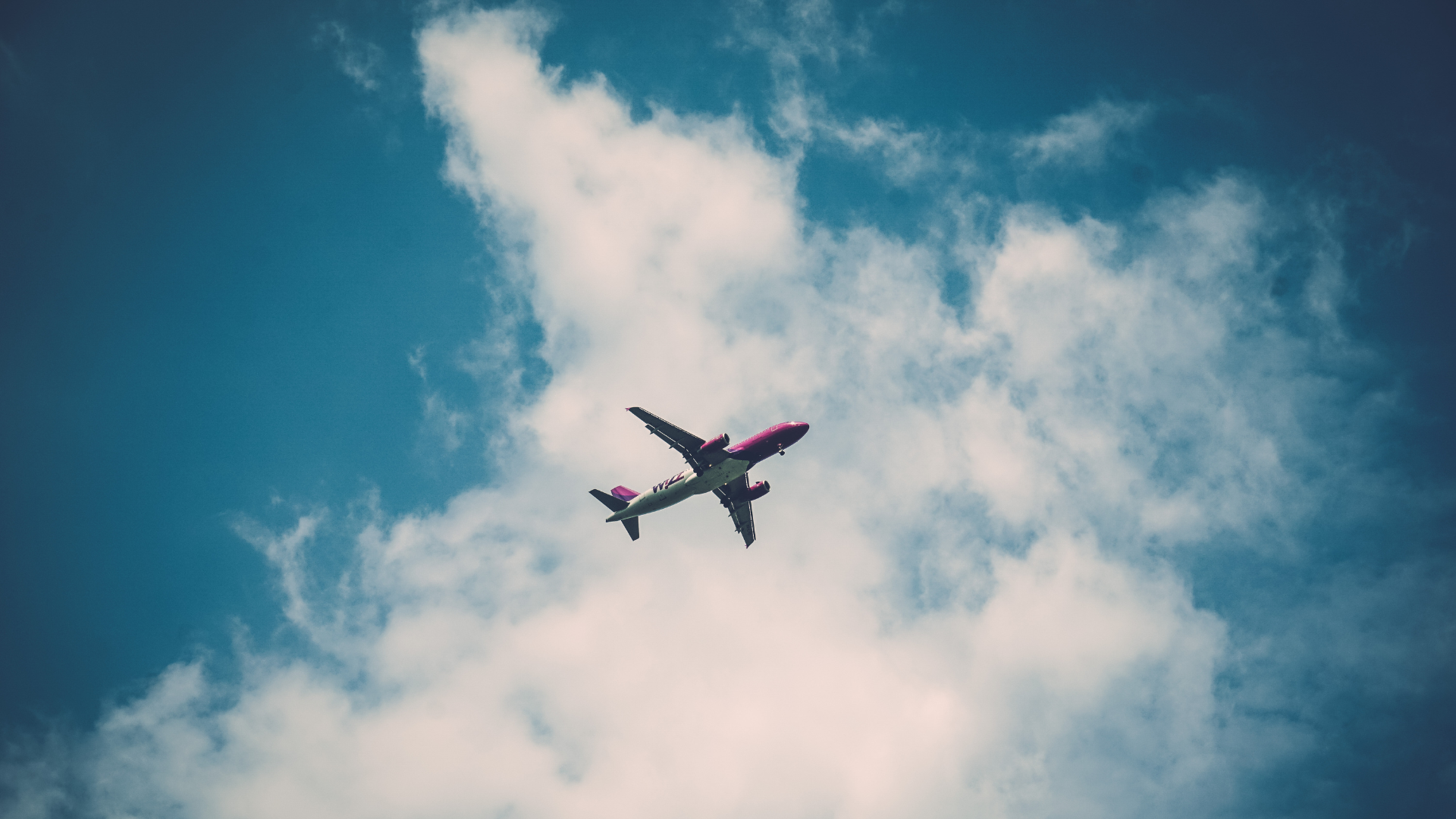
Travelling promises to be excitingly ‘sustainable’ as technology and cultural immersion pave the way to exploring this world. From the relatively frequent traveler to the first-timer who’s ready to start making a journey, trends this year are centered on eco-friendly practices, integrating work with travel, and most importantly, using technology to enhance the journey.
Sustainable Travel
Sustainability, with its current issues at the forefront of the climate change situation, has therefore become a huge challenge for the travel industry. Today’s traveler is much more aware of his environmental effects, and you will witness even more growth of green products recognition. From carbon footprint reduction to local community-supporting activities, the trend towards responsibility in tourism is shaping how one chooses to travel.
Many are committing to being green by installing renewable energy, such as solar or wind power, as well as decreasing waste and engaging in locality. These “green accommodations” will recycle, host water conservation, and eliminate plastics. Staying in such places not only aids in reducing damage to the environment but also benefits the locality in that traditional practices will be promoted and local food and other amenities will be available.
Eco-Friendly Activities
Of course, this is not merely an accommodation but also a host of eco-friendly activities to explore a destination and minimize its footprint. The wildlife conservation tours and sustainable safaris lead the menu of options, where people can view animals in their natural habitats while being beneficial for the conservation of such animals.
Another type of trend is voluntourism. Voluntourism is a method where the tourists are engaged with volunteer projects. It can either be direct involvement of the tourist with the residents of an area or community for the area’s betterment or such activities for the conservation of the environment, such as constructing homes, teaching children, or cleaning projects for environmental conservation. More than being a way to give back, this approach can be more than that; it can also be a way towards having a more engaging and rewarding travel experience.
More travelers are choosing greener modes of transport, too. Rather than rent multiple cars and make multiple flights, people prefer to roam a destination on bike or on foot or use public transport. This saves emissions and gives you a far better interaction with the culture and landscape.
Working Remotely and the Growth in Tourism
Blending work and travel, now referred to as a “workation,” is on the increase-not less so because work is increasingly accommodated outside traditional offices. Thus, professionals can now leave their desks behind and explore the world. This phenomenon allows travelers to do their work from a beachfront café in Portugal or a mountain cabin in the Swiss Alps.
Work-friendly destinations have mushroomed all around the world – co-working spaces with fast Wi-Fi and quiet rooms, and sometimes, even meeting facilities. All these provide professionals with a change of surroundings to maintain their productivity. Among other advantages of working remotely, remote workers find that these new environments inspire creativity and serve as much-needed respite from routine.
Professional travel experiences are now simultaneous, allowing them to attain a better work-life balance while traveling. As lines for leisure and productivity continue to blur, remote workers are now able to spend longer periods abroad, not just staying longer but also traveling slowly and immersing in cultures more deeply while upholding jobs.
Travel Technology and Innovation
Other than climate change, the other push factor for the travel industry would be technology. It makes every trip in itself very convenient and personalized in ways and improves how people plan and experience their journeys. AI-powered travel apps are now emerging that offer customized recommendation for destinations, activities, and accommodations based on preferences. It makes the whole process of planning a trip much quicker and easier, making sure that travelers get the most out of their experiences.
Virtual and augmented reality (VR and AR) tools are in greater demand. For instance, using the technology, you can preview a destination before booking it for you to know what you are expecting. Travelers make better decisions regarding which hotels to visit, which ones to avoid, and which landmarks and attractions they will enjoy more when using VR tours. Once on the ground, AR can help visitors through insights into where they are, the history or culture.
On a more practical front, technology is reducing the friction involved in traveling. Contactless payments, mobile boarding passes, and e-passports are all becoming common place, reducing the need for reams of paper documents and serving to reduce how much one waits at airports or other travel centers. All such innovations combine efficiency in travel with the savings on paper, not to forget alignment with the larger issue of sustainability.
Cultural Immersion and Slow Travel
There is also an increasing popularity in “slow travel,” which is followed by travelers who prefer to spend more time in one place and take part in the local customs. Slow travelers do not scurry around to see as many destinations as possible but instead take time to look into the region at greater depths, thus achieving a richer feeling of interaction with the community, customs, and traditions of that particular region.
Slow travel would thus involve participation in local workshops, cooking classes, or cultural festivals that make for a more authentic experience. It’s more sustainable as well, since travelers reduce the need to travel frequently and can support local businesses and artisans more easily in a longer period of time.
Conclusion
Travel evolves with a newfound purpose beyond just search for new places. Sustainable travel, workationing rises, and technological integration give different experiences that are more accessible, responsible, and immersive worlds.
Be it ecotourism stay, remote work enclaves, or slow travel experiences, So pack your bags, plan mindfully, and take a journey that leaves a positive impact on you and places alike.