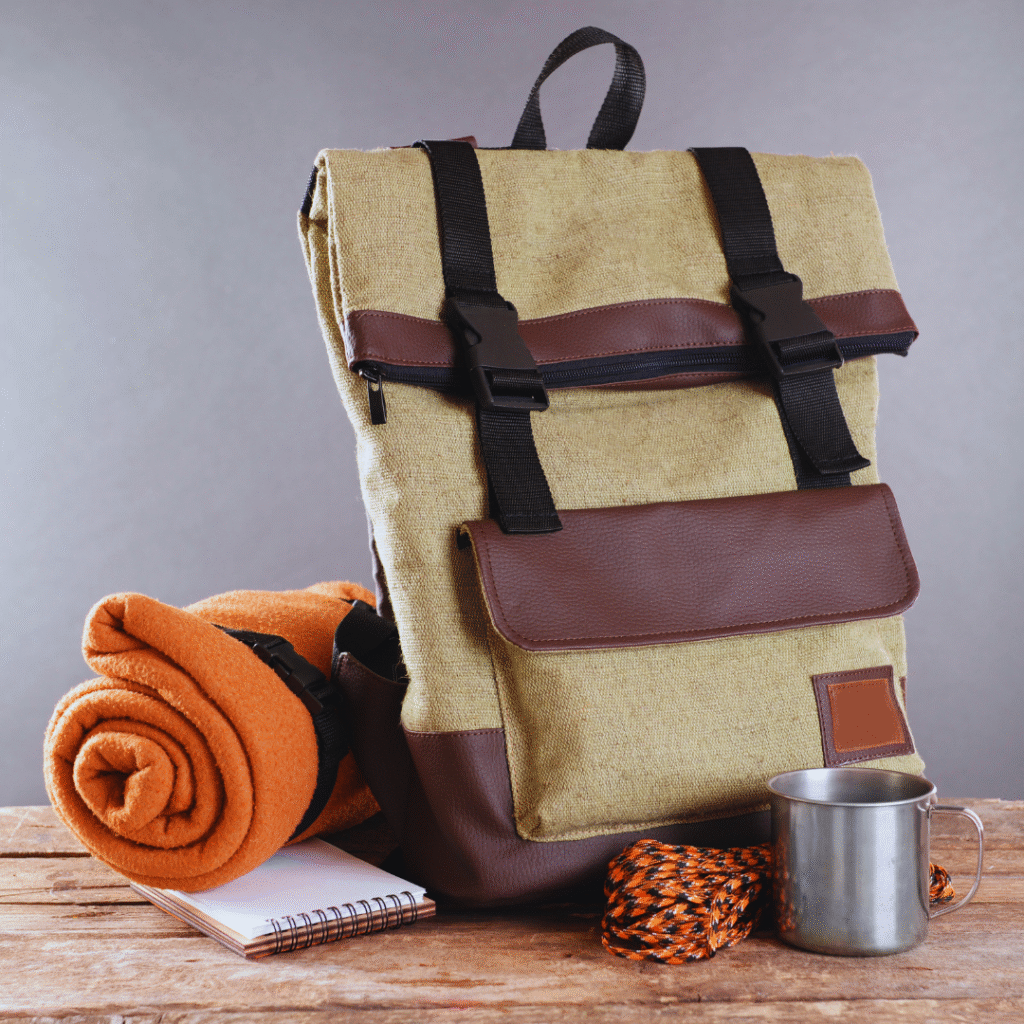
Choosing the right gear for outdoor activities involves careful consideration of both weight and durability. For adventurers who prioritize mobility and ease of transport, lightweight options may seem ideal. However, selecting gear that balances weight and durability ensures that it can withstand the rigors of the environment while still being manageable to carry.
A common pitfall is opting for ultra-light materials that compromise on resilience. This can lead to premature wear and tear, resulting in inconvenient repairs or replacements during critical moments. Understanding the trade-offs between these two factors is key to making informed decisions that enhance the overall experience in the great outdoors.
Gear selection directly influences performance and enjoyment. By identifying materials that provide strength without excessive bulk, outdoor enthusiasts can maintain agility. This balance not only enhances safety but also allows for longer, more enjoyable adventures.
Core Principles of Balancing Weight and Durability
Choosing gear requires careful consideration of weight and durability. Finding the right balance affects performance, comfort, and overall experience in outdoor activities.
Understanding the Weight-to-Durability Trade-Off
The weight-to-durability trade-off is crucial. Lighter materials enhance mobility but may reduce longevity. For instance, ultralight hiking gear often utilizes thinner fabrics that wear out faster than heavier counterparts.
Individuals must assess what is acceptable for their intended use. A lightweight tent might suffice for a weekend trip, but longer excursions may require more robust options. It is essential to choose gear made with durable materials like ripstop nylon or reinforced stitching for greater resilience.
Impact of Weight on Performance and Comfort
Weight significantly influences performance and comfort during activities. Lighter gear can reduce fatigue, allowing for longer excursions and improved energy conservation. However, if gear is too fragile, it may compromise safety and comfort.
For example, the weight of a backpack affects how much a hiker can carry. A well-designed, lightweight pack distributes weight evenly, enhancing comfort over long distances. Yet, if it is not adequately durable, it could lead to discomfort or failure during critical moments.
Assessing Gear for Intended Use and Environment
Evaluating gear according to its intended use and environment is fundamental. Harsh conditions often require more durable materials, while warmer climates may allow for lighter options.
Consider specific gear attributes, such as waterproofing, abrasion resistance, and seam strength. For instance, hiking in rocky areas demands more durable boot materials, while a summer hike may prioritize breathable fabrics.
Ultimately, choosing the right gear involves matching its capabilities with the expected conditions to ensure optimal performance and longevity in outdoor adventures.
Key Materials and Construction Features
Choosing the right materials and construction features is essential for gear that strikes the perfect balance between weight and durability. This section looks at specific materials and structural components that significantly impact performance and longevity.
Material Choices: Ripstop Nylon, Polyester, and Advanced Fabrics
Ripstop nylon is a popular choice for outdoor gear due to its lightweight yet durable properties. The grid pattern reinforces the fabric, preventing tears from spreading. This material is commonly used in backpacks and tents, providing an excellent strength-to-weight ratio.
Polyester also finds its place in gear design. It offers good UV resistance and dries quickly, making it suitable for various outdoor conditions. While slightly heavier than ripstop nylon, polyester is often more affordable and can be more resistant to environmental degradation.
Advanced fabrics, such as Gore-Tex or Dyneema, are emerging trends offering specialized properties. Gore-Tex provides waterproofing while maintaining breathability, ideal for wet conditions. Dyneema, known for its high strength and lightweight nature, is increasingly used in high-end gear.
Structural Elements: Seams, Zippers, and Reinforcements
The construction of the gear is as critical as the materials used. Strong seams are vital for ensuring durability. Double-stitched seams and heat-taped seams enhance strength, providing added resistance against wear and tear.
Zippers must not only function smoothly but also withstand the rigors of outdoor use. YKK zippers are often regarded as the industry standard for reliability. Waterproof zippers can also add an extra layer of protection against the elements.
Reinforcements at stress points, such as corners and straps, prolong the life of equipment. Brands like Patagonia focus on these areas, often using bar tacks or additional fabric overlays to enhance durability. This attention to construction details greatly influences how gear performs in challenging conditions.
Brand Reputations and Material Innovations
Brand reputation plays a pivotal role in selecting quality gear. Companies like Patagonia have made names for themselves through their commitment to sustainable practices and innovative materials. Their use of recycled fabrics demonstrates a blend of environmental responsibility with performance.
Many brands are investing in research and development to create lighter, stronger materials. Innovations like water-repellent treatments or antibacterial coatings give consumers more options tailored to specific activities.
By understanding the strengths of different brands and their material choices, consumers can make informed decisions that match their outdoor needs while prioritizing weight and durability.
Essential Gear Categories and Application
Choosing the right gear involves understanding how various items serve specific purposes while balancing weight and durability. Below are essential categories of gear that provide insights into their practical applications.
Backpacks: Design, Weight Distribution, and Comfort Features
When selecting a backpack, key elements include design, weight distribution, and comfort features. A well-designed backpack incorporates padded shoulder straps and an effective suspension system to ensure weight is evenly distributed. This helps reduce strain on the back during extended hikes.
Look for packs made from durable materials like nylon or polyester. These fabrics resist wear and tear while keeping the overall weight manageable. A hip belt can also aid in weight distribution, allowing heavier loads to rest against the hips rather than the shoulders, enhancing comfort on long treks.
Shelter and Sleep: Tents, Sleeping Bags, and Pads
Shelter is crucial for comfort and protection in outdoor settings. Lightweight tents made from waterproof materials offer a balance between weight and durability, ensuring adequate shelter without unnecessary bulk. Consider designs that are easy to set up, such as pop-up or instant tents.
A suitable sleeping bag maintains warmth and packs easily. Look for bags with down or synthetic insulation, ensuring warmth while being lightweight. Sleeping pads provide insulation and cushioning against the ground. Fabrics should be durable yet light, with options like self-inflating or foam pads catering to different needs.
Clothing: Waterproof Jackets and Layering Systems
The right clothing protects against elements while maximizing comfort and freedom of movement. A good waterproof jacket is essential for staying dry. Opt for breathable materials that allow moisture to escape while keeping water out. Look for jackets with adjustable features like hoods and cuffs for a personalized fit.
Layered clothing systems enhance versatility. Base layers wick moisture, while insulating layers provide warmth. An outer shell jacket can offer additional protection from rain and wind. Choose clothing made from lightweight, quick-drying fabrics, ensuring ease of packing without sacrificing effectiveness.
Multi-Use Tools and Cooking Equipment
Multi-use tools are invaluable in the outdoors, combining several functions into one compact device. A good multi-tool should include essential features like pliers, screwdrivers, and knives, simplifying tasks without adding excess weight.
For cooking, lightweight cooking equipment such as pots and pans is necessary. Look for items made from aluminum or titanium for durability. Including a compact stove setup is advisable, as it streamlines meal preparation. Packing compression sacks for easier storage of cooking gear can enhance pack efficiency while minimizing space use.
Prioritizing Comfort, Versatility, and Longevity
Selecting gear that offers comfort and versatility while ensuring longevity is crucial for any outdoor enthusiast. This balance enhances the overall experience and allows for broader usage across different conditions and terrains.
Optimizing Comfort for Long-Term Use
Comfort is integral when choosing gear intended for extended use. Proper fit is essential; it should accommodate body shape without causing pressure points. Features like padded straps, breathable materials, and adjustable components significantly enhance comfort.
Brands such as REI offer gear designed for ergonomic support, with options like moisture-wicking fabrics and contoured shapes that mold to the user’s body. When trying gear, individuals should prioritize how it feels during movement, ensuring it does not restrict mobility. Testing gear over time helps identify potential discomfort before embarking on longer trips.
Adapting to Varying Weather and Terrain
Versatility in gear enables users to adapt their equipment to different weather conditions and terrains. Look for features like removable liners, adjustable ventilation, and waterproof materials.
For instance, a multi-functional jacket that can be worn in both wet and dry conditions saves space and weight in a pack. Additionally, interchangeable components—such as convertible pants or layers—allow quick adjustments. This adaptability not only enhances comfort but also ensures readiness for varying situations encountered during adventures.
Evaluating Maintenance and Warranty Considerations
Longevity of gear is not just about initial quality but also ease of maintenance. It is vital to choose products requiring minimal upkeep, such as machine-washable materials or those treated with durable water repellent (DWR) finishes.
Warranties play a key role in this consideration; a solid warranty indicates the manufacturer’s confidence in their products. Companies often provide repair services or replacements, which can save future costs. When reviewing gear, she should assess both the manufacturer’s warranty and the availability of repair parts, ensuring their investment remains protected over time.