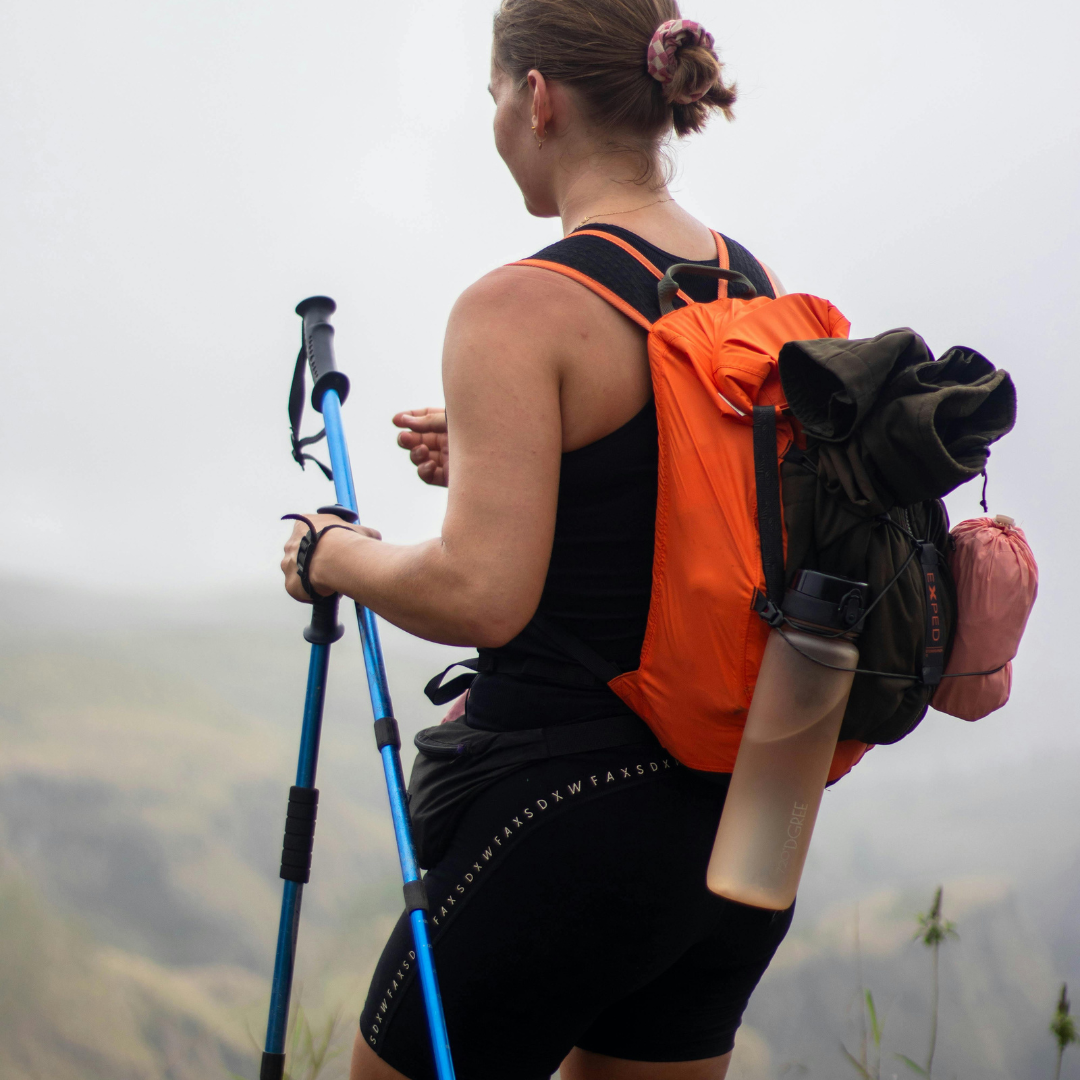
A successful hike hinges on having the right gear. Essential gear for a successful hike includes sturdy footwear, weather-appropriate clothing, a reliable backpack, hydration systems, and navigation tools. These items not only enhance the hiking experience but also ensure safety and comfort on the trail.
Outdoor adventures require preparation and mindfulness. As one ventures into nature, it is crucial to respect the environment by adhering to Leave No Trace principles. This approach emphasizes minimizing human impact, ensuring that the beauty of the outdoors remains intact for future hikers.
With the right essentials and a commitment to responsible hiking, outdoor enthusiasts can enjoy their journeys while safeguarding the natural world. Being equipped with the necessary gear creates opportunities for exploration and connection with nature.
Navigational Equipment
Navigational equipment is crucial for ensuring safety and direction during a hike. It includes various tools and devices, each serving an essential role. Understanding these components helps hikers make informed decisions in the wilderness.
Navigation Tools
Essential navigation tools encompass a mix of modern and traditional devices. A topographic map provides detailed information about the terrain, including elevation and natural features. It helps in planning trails and identifying landmarks.
A compass complements the map by providing directional information. Knowing how to read and use both effectively is vital. Additionally, personal locator beacons (PLBs) offer a way to signal for help in emergencies, enhancing safety during remote hikes. These tools together ensure that hikers remain oriented even in challenging conditions.
GPS Essentials
GPS devices have transformed hiking navigation by providing real-time location data. Handheld GPS units or smartphone apps can guide a hiker on various trails. Key features include waypoint marking, route tracking, and elevation data.
Despite their advantages, GPS technology can fail due to battery drainage or loss of signal in dense forests. Therefore, it is wise to carry extra batteries or a power bank. Familiarity with the device before the hike is crucial for effective use, providing confidence while navigating unfamiliar terrain.
Compass and Maps
The traditional compass paired with a good map remains a reliable navigation method. The compass indicates magnetic north, helping hikers determine their direction. Accurate usage of a compass requires understanding declination, which is the angle between magnetic north and true north.
Reading maps effectively involves recognizing symbols and understanding scale. It is helpful to practice these skills before embarking on a hike. Combining a compass and map helps build essential navigation confidence, providing an alternative when electronic devices fail. This knowledge ensures hikers remain capable of navigating even in adverse conditions.
Clothing and Footwear
Proper clothing and footwear are vital for an enjoyable and safe hiking experience. The right gear can enhance comfort and protection against the elements.
Core Hiking Apparel
Hiking attire should be chosen for comfort and functionality. A moisture-wicking shirt is essential, as it helps to keep the hiker dry by moving sweat away from the skin. Extra layers are important for varying temperatures; lightweight, breathable fabrics can be added or removed easily.
Choosing weather-appropriate clothing enhances protection against the sun or rain. For sunny hikes, a sun hat can provide shade and prevent overheating. Those hiking in cooler conditions may benefit from long-sleeved shirts or base layers made from wool or synthetic fabric, which insulate even when wet.
Hiking Footwear
Selecting the right footwear significantly impacts hiking comfort. Hiking boots provide ankle support and rugged traction, making them ideal for challenging terrains. For lighter trails, hiking shoes may suffice, providing flexibility and breathability.
Wool socks are preferable, as they offer warmth and moisture control, helping to minimize blisters. Gaiters can be worn over boots to protect against mud, debris, or moisture. Hikers need to choose footwear that fits well and is broken in before a long trek.
Weather-Appropriate Gear
Clothing choices should adapt to forecasted conditions. When rain is expected, a rain jacket is essential to keep dryness and warmth. Lightweight and packable options are preferable, allowing easy storage when not in use.
In hot weather, clothing that reflects sunlight and remains breathable is recommended. Sunglasses are another key item, protecting the eyes from harmful UV rays.
Hikers should be prepared for rapid weather changes, employing versatile layers that offer adequate warmth and breathability. The right combination of clothing and footwear will help ensure a successful and enjoyable hiking experience.
Hydration and Nutrition
Proper hydration and nutrition are crucial for sustaining energy levels and maintaining health during hikes. Adequate water and food supplies can prevent fatigue and enhance the overall hiking experience.
Water Storage
Water storage is essential for any hike. It is important to carry enough water to keep hydrated throughout the journey. Hikers typically use water bottles or hydration packs to store water.
Hydration packs, which include a hydration bladder, allow for easy sipping while on the move. For longer hikes, having an extra water supply is advisable.
In remote areas, hikers may need to treat water from natural sources. Methods include water purification tablets, filters, or chemical treatment options. Using a high-quality water filter can ensure clean drinking water, essential for health on the trail.
Food Supplies
Snacking is vital for sustaining energy while hiking. Hikers should pack high-energy snacks like granola bars, energy bars, and dried fruits. These options are lightweight, nutritious, and easy to consume.
Packing a variety of snacks prevents boredom and maintains energy levels. It’s also beneficial to include sources of protein and healthy fats.
Snacks should be chosen based on their caloric density and ease of packing. Avoid heavy items that take up space. Prioritizing portable, non-perishable foods makes meal planning straightforward and efficient on the trail.
Safety and Emergency Gear
Safety and emergency gear are crucial for any hiking adventure. Being prepared can significantly reduce risks associated with outdoor activities. Key components include first aid supplies and various tools designed for unexpected situations.
First Aid and Repair Kits
A well-stocked first aid kit is essential for treating minor injuries that may occur on the trail. It should include items such as antiseptic wipes, adhesive bandages, gauze, and medical tape. A Hiking First Aid Kit specifically designed for outdoor conditions is often recommended, as it includes supplies tailored to common hiking injuries.
For repairs, a repair kit can prove invaluable. This kit may contain duct tape for quick fixes, a multi-tool for general use, and any necessary spare parts for equipment. Depending on the location and the expected duration of the hike, packing extra food and an emergency blanket can further enhance safety and preparedness.
Protection and Emergency Tools
Protection tools are vital for both preventing injuries and ensuring safety during a hike. Sunscreen should be applied regularly to protect against sunburn, especially at higher altitudes where UV radiation is stronger. A whistle can be useful in emergencies, allowing hikers to signal for help without expending too much energy.
In case of wildlife encounters, carrying bear spray is advisable in bear-populated areas. An emergency shelter can protect against sudden weather changes. Additional items like a fire starter to create warmth and a portable toiletries kit are also helpful for maintaining hygiene and comfort in remote areas.