Choosing the right travel bag can significantly enhance the travel experience. The ideal bag balances functionality, comfort, and style to meet the specific needs of the trip. Different types of trips require different types of bags, whether it’s a weekend getaway, an international journey, or a business trip.
When selecting travel luggage, factors like size, weight, and organization features come into play. A well-designed travel bag should not only accommodate essentials but also allow for easy access and mobility. Understanding the trip’s demands and personal preferences will guide the decision-making process.
Travel bags come in various shapes and styles, from backpacks to rolling suitcases. Each option offers unique benefits that cater to different travel scenarios. By considering the specifics of the journey and the desired functionality, travelers can confidently choose the right bag for their needs.
Determining Your Travel Needs
Choosing the right travel bag starts with an assessment of specific travel needs. Factors like trip duration, destination, and mode of transportation significantly influence the decision-making process. This section will address these aspects to help select the most suitable bag.
Assessing Trip Duration and Destination
The length of the trip and the destination play critical roles in bag selection. For short trips, a carry-on bag is often sufficient, allowing easy mobility and quick access to essentials. These bags typically fit in overhead compartments and can save on baggage fees.
For longer trips or international travel, checked luggage may be necessary, providing more storage space for additional clothing and gear. Assess the climate and activities planned. For adventure travel, specific gear might be required, influencing bag size and style choices. Consider whether the destination offers laundry services, which can lighten the packing load.
Considering the Mode of Transportation
The chosen mode of transportation affects bag type and size. Traveling by plane often necessitates strict adherence to size restrictions, particularly for carry-on bags. It is advisable to verify airline requirements to avoid unexpected fees.
For train or bus travel, larger bags may be more manageable, depending on the storage options available. A backpack might offer versatility and ease of movement in crowded environments. Consider how often transfers will occur during the journey, as a lighter, more portable bag can ease moving between locations.
Understanding Airline Restrictions
Different airlines have varied restrictions concerning baggage. Each airline specifies dimensions for carry-on and checked luggage, typically ranging from 22 x 14 x 9 inches for carry-ons. Familiarity with these guidelines is essential to avoid extra charges.
Some airlines enforce weight limits as well. For checked luggage, this often ranges from 50 to 70 pounds, depending on the carrier. Fees for excess baggage can quickly add up, making it imperative to choose a bag that fits both size and weight restrictions. Always check the airline’s website for the most up-to-date information before traveling.
Choosing the Ideal Type of Travel Bag
Selecting the right travel bag is essential for efficient packing and convenience during a trip. The choice typically hinges on the type of travel, the duration, and personal preferences. Evaluating the key characteristics of various bag types will help ensure a suitable match for any journey.
Comparing Suitcases and Backpacks
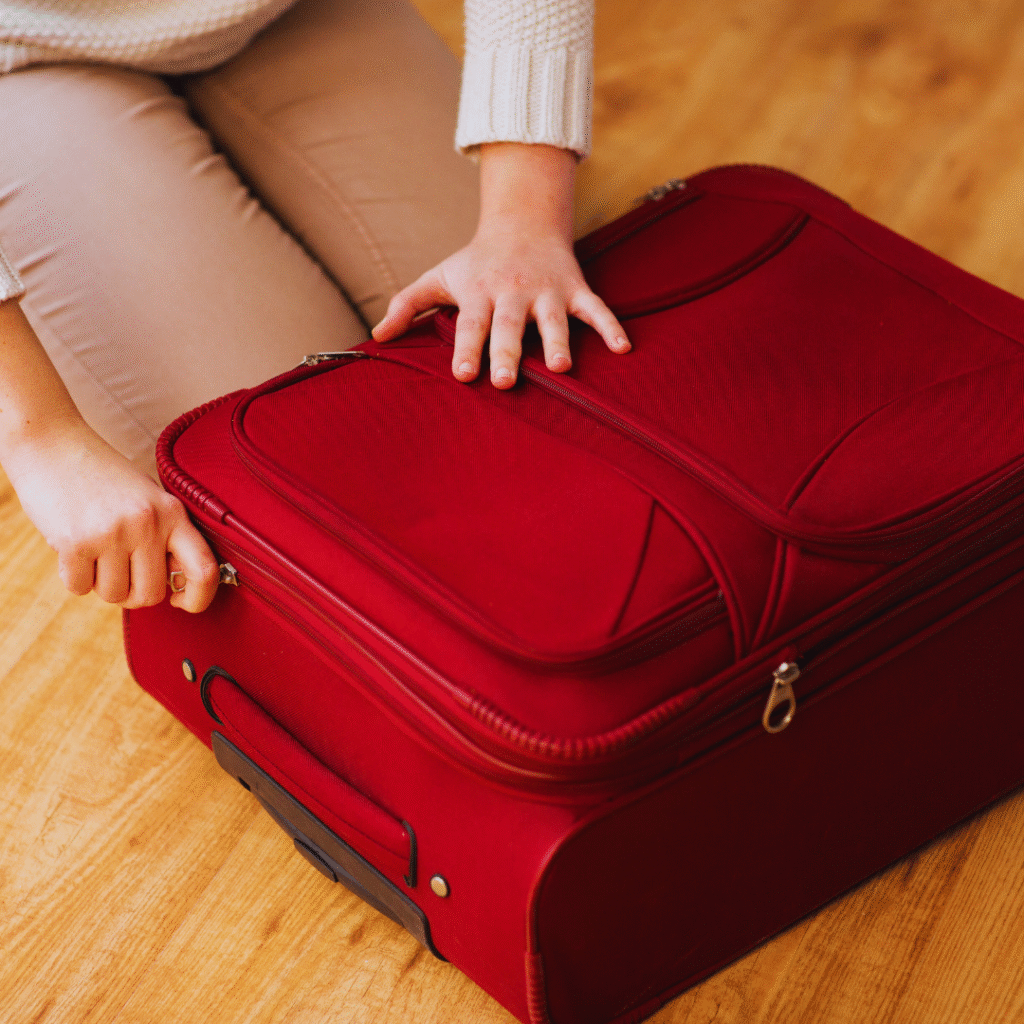
Suitcases offer structured storage and are ideal for multi-day trips. They typically come with wheels, making transportation easier, especially in airports or hotels. For business trips or longer vacations, hard-shell suitcases provide better protection for fragile items.
On the other hand, backpacks are versatile and perfect for adventure travel. They allow for hands-free mobility, making it easier to navigate through crowded places. Travel backpacks generally have multiple compartments for organization and can double as day packs, enhancing their practicality on excursions or hikes.
When to Choose Duffel Bags
Duffel bags are a popular option for short trips and gym visits. Their soft construction makes them lightweight and easy to pack away. They often feature wide openings for quick access, ideal for travelers who need to grab items swiftly.
For those who prioritize flexibility, travel duffels can serve as both carry-on bags and checked luggage. Some designs come with wheels for added convenience. While they may lack the rigid structure of suitcases, their expandable nature allows for carrying more items when needed.
Selecting Travel Packs and Sets
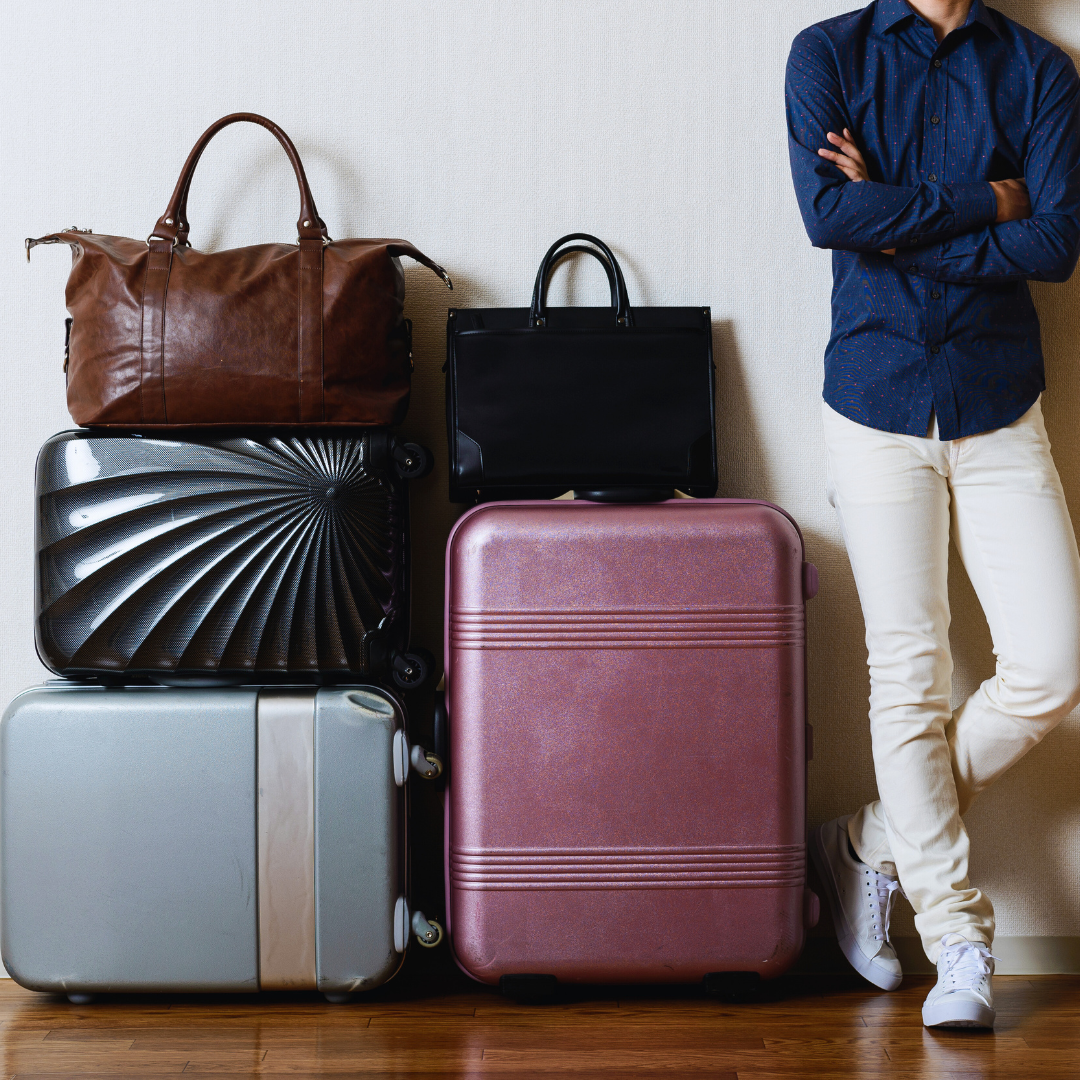
Travel packs and sets offer a cohesive solution for organized travel. A luggage set often comes with a combination of sizes, accommodating different travel scenarios. The mix of carry-on bags and larger suitcases within a set offers versatility.
Travel packs are designed with functionality in mind, often featuring straps and compartments tailored for specific activities. These bags are suitable for backpacking trips or shorter getaways. Selecting a well-designed travel pack ensures ease of transport without sacrificing style or comfort.
Essential Features and Materials
Choosing the right travel bag involves careful consideration of its features and materials. Factors like durability, weight, type of luggage, security, and comfort play crucial roles in ensuring a memorable travel experience.
Evaluating Durability and Weight
Durability is vital for any travel bag. Bags made from high-denier nylon or polyester are excellent options for their resistance to wear and tear. Materials such as ballistic nylon and Cordura are known for their toughness.
Weight is equally important, particularly for airline travel. Lighter bags allow for more packing without exceeding weight limits. It’s advisable to check the bag’s empty weight, ensuring it provides ample space without adding unnecessary heft.
Selecting Softside vs. Hardside Luggage
Softside luggage offers flexibility and often includes external pockets for easy access to essentials. Materials like fabric can expand to accommodate extra items. These bags are generally lighter and easier to store.
Hardside luggage, on the other hand, provides superior protection against impacts. Made from materials like polycarbonate or ABS, these bags can withstand rough handling. However, they usually lack external pockets and can be heavier. Travelers should weigh the pros and cons based on their journey type.
Practical Security Considerations
Security features can enhance peace of mind during travel. Look for bags equipped with lockable zippers or built-in TSA locks for added protection. Some models include RFID-blocking pockets to safeguard sensitive information.
Consider the bag’s material as well. Anti-slash fabrics or reinforced stitching can deter theft. Travel bags designed with security in mind help reduce the risk of losing personal belongings during transit.
Choosing Comfortable Shoulder Straps
Comfortable shoulder straps can significantly improve travel ease. Look for padded straps that distribute weight evenly across the shoulder. Adjustable options allow for a customizable fit, enhancing carry comfort.
Some bags feature ergonomic designs that conform to the body’s shape. This is particularly important for longer trips where the bag must be carried for extended periods. Selecting a bag with quality shoulder straps can make a substantial difference in overall travel enjoyment.
Maximizing Packing Efficiency and Organization
Effective packing can significantly enhance travel experiences. By using the right tools and strategies, it becomes easier to keep belongings organized and accessible.
Packing With Organizers and Packing Cubes
Packing cubes serve as an excellent method to compartmentalize items within a travel bag. They allow travelers to sort clothing by type—shirts, pants, and undergarments—thus providing quick access to necessities.
Advantages of packing cubes:
- Space Efficiency: Compress clothing to maximize space.
- Easy Organization: Keep items in designated areas, reducing chaos.
- Quick Access: Grab just one cube without disturbing the entire bag.
Additionally, using smaller organizers for accessories like cables, toiletries, or shoes can minimize clutter and help maintain cleanliness throughout the journey.
Travel Essentials and Accessories
Selecting essential items ensures a smoother travel experience. Important travel accessories include:
- Portable Chargers: Keep devices powered during travel.
- Travel-Sized Toiletries: Adhere to airline regulations and save space.
- Collapsible Water Bottles: Stay hydrated while minimizing bulk.
Travelers should assess their specific needs and prioritize lightweight, multifunctional accessories. This helps in optimizing both packing space and weight.
Protecting Valuables With Laptop Bags and Tags
Valuables such as laptops require special consideration when traveling. Investing in a dedicated laptop bag can provide essential protection from physical damage and theft.
Key features to look for include:
- Padded Compartments: Safeguards against bumps.
- Water-Resistant Material: Protects from spills and rain.
Using luggage tags not only adds a layer of safety but also assists in identifying bags quickly. Opt for tags that are durable and easily readable to help recover lost items.