Experiencing a destination like a local can transform a trip into a memorable adventure. Engaging with local culture, trying regional cuisine, and exploring off-the-beaten-path attractions allows travelers to immerse themselves in the authentic essence of a place. This approach not only enriches their travel experience but also fosters a deeper connection to the location and its people.
To embrace local life, one must first step away from tourist hotspots and seek recommendations from residents. Visiting neighborhood markets, attending community events, and utilizing public transportation can provide valuable insights into daily life. These simple strategies open doors to rich interactions and unique discoveries that are often overlooked by typical tourists.
By prioritizing local experiences, travelers create opportunities for personal growth and a better understanding of the world around them. Engaging with locals often leads to unexpected emotions, stories, and relationships that can redefine how one perceives a destination.
Immersing Yourself in Local Culture
Engaging with local culture enriches travel experiences and fosters genuine connections. Understanding customs, learning language basics, and respecting dress codes are integral to this immersion.
Understanding Local Customs and Etiquette
Grasping local customs is crucial for respectful interactions. Each destination has unique practices that shape social dynamics.
For instance, in Japan, bowing is a common greeting, while in some Middle Eastern countries, handshakes may be gender-specific.
Travelers should research such cultural nuances to avoid unintentional offenses. Dining etiquette varies significantly; it’s important to know whether tipping is customary or if meals are served in a specific order.
Additionally, observing how locals interact in public spaces can provide insights into appropriate behavior, like maintaining personal space or noise levels.
Learning Basic Language Skills
Acquiring basic phrases in the local language can significantly enhance interactions. Simple communication fosters connections that English alone may not achieve.
Key phrases, such as “hello,” “thank you,” and “please,” have a notable impact.
Many locals appreciate efforts made by travelers to speak their language, even if imperfectly. Language learning apps or phrasebooks help in mastering essential words and expressions.
This approach not only enhances experiences but also signals respect towards the local culture. Listening for pronunciation and practicing with locals can further improve language skills.
Respecting Dress Codes and Cultural Norms
Appropriate attire aligns with local values and can mitigate uncomfortable situations. Some regions have specific dress codes, especially in religious places or traditional events.
In many Asian countries, modest dress is advisable; this often means covering shoulders and knees. Researching the local dress code beforehand ensures that one does not draw undue attention or disrespect.
In casual settings, locals may dress differently compared to formal gatherings. Observing and following these norms demonstrates cultural sensitivity and respect.
Choosing Authentic Accommodations
Selecting accommodations that reflect local culture enhances the travel experience. Authentic stays provide insights into the destination’s lifestyle and community.
Staying in Homestays and Locally-Owned Guesthouses
Homestays offer travelers an intimate glimpse into daily life. Bookings through platforms like Airbnb can connect visitors to local hosts who share their homes, culture, and meals. This arrangement encourages interaction and understanding.
Locally-owned guesthouses often display unique character and charm. They may feature local decor, provide regional cuisine, and allow for direct communication with owners who can recommend off-the-beaten-path attractions. Choosing a guesthouse can foster a sense of belonging, making the stay feel less like a hotel and more like a community gathering spot.
Booking Boutique Hotels and Bed and Breakfasts
Boutique hotels provide unique experiences with personalized service. Often located in historic buildings, they reflect the area’s heritage through design and ambiance. Travelers can find hotels that emphasize local art, cuisine, and history.
Bed and breakfasts combine comfort with a homey feel. Guests often enjoy homemade breakfasts using local ingredients, creating a culinary connection to the area. These accommodations encourage social interactions, offering common spaces for mingling with other guests and hosts. Choosing a well-reviewed boutique hotel or B&B enhances one’s understanding and appreciation of the locale.
Connecting With Locals and Discovering Hidden Gems
Experiencing a destination like a local involves making genuine connections, seeking local recommendations, and uncovering unique spots off the beaten path. These practices enhance the travel experience and provide insights into the culture and lifestyle of an area.
Making Genuine Connections and Seeking Recommendations
Building relationships with locals can lead to authentic travel experiences. Engaging in conversations with nearby residents, shop owners, or artists can yield valuable insider tips.
Joining social media groups or local forums allows travelers to ask for recommendations on activities or restaurants. This helps in finding hidden gems that traditional guidebooks may overlook.
Volunteering for local causes is another excellent way to meet community members while giving back. It fosters genuine connections and provides a deeper understanding of the local culture.
Exploring Local Neighborhoods and Avoiding Tourist Traps
Less touristy neighborhoods often provide a more authentic glimpse into everyday life. Residential areas are typically less commercialized and filled with local charm.
Walking or biking through these neighborhoods can reveal unique shops, bakeries, and parks. Travelers should consider using navigation apps that highlight lesser-known attractions.
Visiting these areas helps avoid crowded tourist traps. Exploring streets not focused on tourism can lead to delightful surprises, enhancing the travel experience.
Participating in Community and Cultural Events
Local events are rich in cultural immersion. They provide a chance to witness traditions, cuisine, and arts in their native settings.
Events like street fairs, festivals, or markets often feature local artisans and performers. Travelers can gain a deeper appreciation for the area’s heritage and community spirit.
Checking local listings or community boards helps identify upcoming events. Participating in these gatherings offers memorable interactions and experiences that reflect the essence of the destination.
Eating and Traveling Like a Local
To experience a destination fully, it is essential to appreciate the local cuisine and adapt to how residents navigate their city. Immersing oneself in these practices enhances cultural understanding and creates memorable travel experiences.
Trying Traditional Dishes and Street Food
Local cuisine offers an authentic taste of a destination’s culture. He or she should actively seek out traditional dishes that reflect regional ingredients and cooking methods.
Street food is often a highlight as it provides quick, delicious meals at affordable prices. Popular options might include tacos in Mexico, banh mi in Vietnam, or arepas in Colombia. These dishes are usually prepared by local vendors who take pride in their recipes.
Dining where locals eat can lead to discovering hidden gems, away from tourist traps. Recommendations from residents or food blogs can guide travelers to the most popular eateries favored by locals.
Visiting Local Markets and Food Stalls
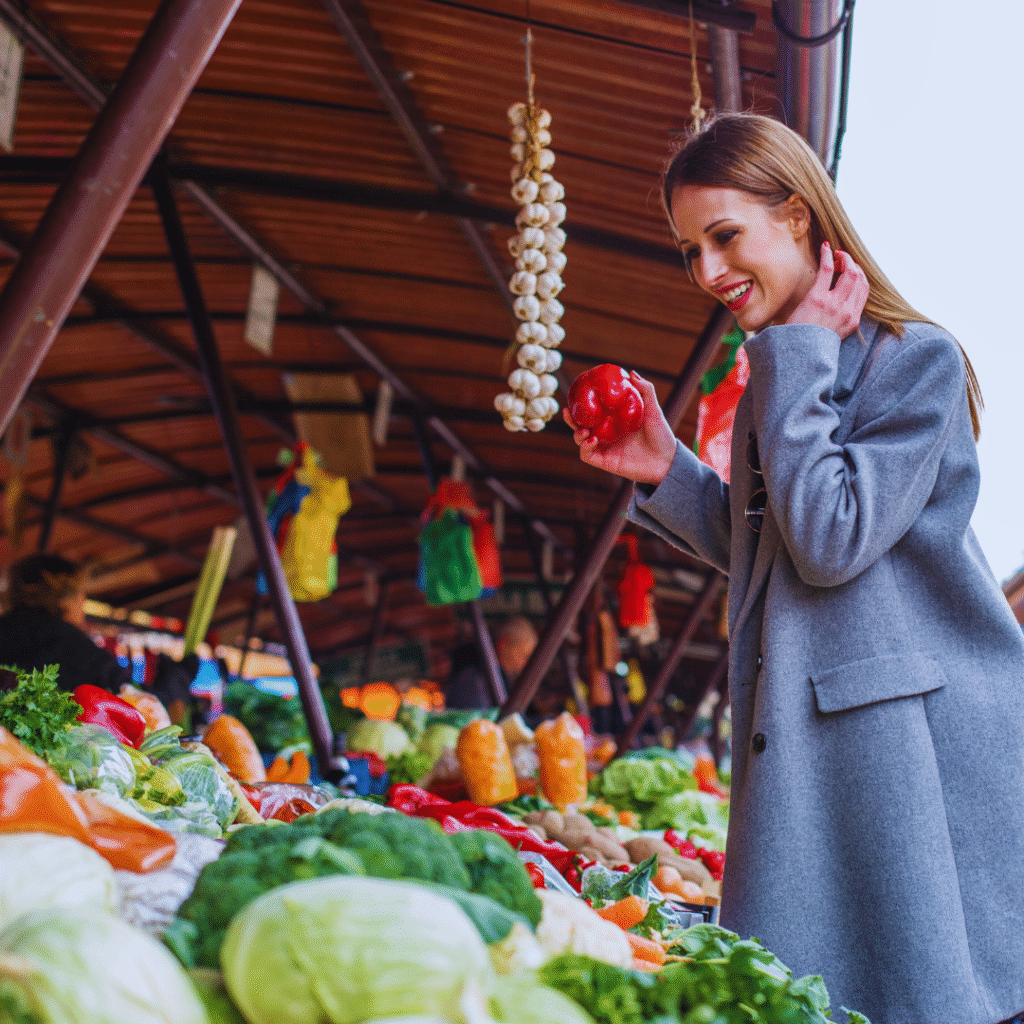
Local markets present a vibrant atmosphere filled with fresh produce and unique ingredients. They are ideal places for he or she to sample items and connect with the community.
Fresh fruits, vegetables, and artisanal products are abundant, promoting a slow travel experience while supporting local economies. Engaging with vendors can offer insights into regional specialties and preparation methods.
Food stalls within these markets often serve iconic dishes, allowing travelers to try various local flavors in one place. Making time to visit farmers’ markets or food festivals can enhance culinary experiences significantly.
Joining Cooking Classes and Food Experiences
Cooking classes are an excellent way to delve deeper into local food culture. Participants can learn firsthand how to prepare traditional dishes using authentic ingredients and techniques.
Many classes are hosted by local chefs who share personal stories and culinary traditions. This not only enhances cooking skills but also fosters a deeper appreciation for the cuisine.
Food experiences, like wine or cheese tastings, can complement the cooking classes. This enables a comprehensive understanding of local pairings and enhances the overall appreciation of regional specialties.
Using Public Transportation Like Residents
Navigating a new city using public transportation can provide a more authentic experience. It allows travelers to witness daily life, interact with locals, and explore areas beyond typical tourist sites.
Each system—buses, subways, or trams—offers unique insights and can be economical. He or she should familiarize themselves with the routes and schedules to travel efficiently.
Incorporating local transport into the itinerary encourages exploration of different neighborhoods where local food spots may be located. This provides an opportunity to discover hidden dining experiences that standard tourist routes may overlook.