Managing a travel budget effectively can make the difference between a trip that feels restrained and one that is enjoyable and fulfilling. Setting clear spending limits and prioritizing expenses will allow travelers to experience new adventures without financial stress. With careful planning, it is possible to explore destinations authentically and stay within budget.
Travelers often overlook the importance of tracking expenses in real-time, which can lead to overspending. Utilizing budgeting apps or keeping a handwritten log helps maintain awareness of where money goes. This immediate insight allows for adjustments to be made before hitting financial limits.
Finding deals on accommodations, transportation, and activities is also key. Exploring options like off-peak travel, alternative lodging, and free or low-cost activities can enhance the travel experience while saving money. By being strategic about expenses, anyone can stretch their budget further without sacrificing enjoyment.
Understanding the Fundamentals of Travel Budgeting
Effective travel budgeting requires careful planning. Establishing clear goals and understanding personal travel style are essential for managing expenses. This ensures travelers stay within their financial means while enjoying their trips.
Setting Realistic Travel Goals
Travel goals guide budgeting decisions. They should reflect interests, destinations, and timelines. Goals can be categorized into short-term and long-term.
- Short-term Goals: Plan for immediate trips within the next year. Focus on budgets that accommodate desired destinations and experiences.
- Long-term Goals: Envision future travels, such as international trips or extended vacations. Allocate savings accordingly to achieve these aspirations.
Having specific travel goals helps make informed choices about expenditures. By pinpointing priorities, they can allocate funds effectively towards experiences that matter most.
Identifying Your Travel Style
Understanding travel style is crucial for effective budgeting. Different styles come with varying costs. Common styles include:
- Luxury: Focuses on high-end accommodations and exclusive experiences. Requires a larger budget.
- Mid-range: Balances comfort with cost. Travelers often seek good quality without overspending.
- Budget: Prioritizes affordability. Budget travelers look for deals, hostels, and local dining.
Identifying the preferred style aids in estimating costs for accommodations, transportation, and activities. This alignment ensures a realistic approach to budgeting that matches expectations.
Budgeting for a Trip
When budgeting for a trip, it’s vital to itemize all expected expenses. Start by estimating costs in key areas:
- Transportation: Include flights, car rentals, and local transport.
- Accommodation: Research hotels, hostels, or rentals. Factor in daily rates and total number of nights.
- Food: Daily meal budgets can vary significantly. Consider dining options from fast food to fine dining.
- Activities: Account for entrance fees, tours, and other entertainment expenses.
- Emergency Funds: Always set aside a portion for unexpected costs.
Utilizing budgeting tools or apps can help track expenses effectively. This structured approach makes it easier to adhere to the defined travel budget.
Creating and Managing Your Travel Budget
Establishing a travel budget requires careful planning and organization. A well-structured budget helps identify income and expenses, facilitates daily budget creation, and ensures preparedness for unexpected costs.
Calculating Income and Expenses
To create an effective travel budget, she must first calculate her income and anticipated expenses. Begin by listing all sources of income allocated for the trip, including savings, salary, or any additional earnings.
Next, outline expected expenses, such as:
- Transportation: Flights, trains, car rentals
- Accommodation: Hotels, hostels, or vacation rentals
- Daily Expenses: Food, activities, and local transportation
By categorizing expenses, she can gain a clearer picture of overall costs. Aim for a realistic estimate to avoid financial stress during the trip.
Establishing a Daily Budget
After calculating total expenses, developing a daily budget is essential. Divide the estimated expenses by the trip duration to determine a daily spending limit. For example, if total projected costs are $1,400 for a seven-day trip, the daily budget would be approximately $200.
Daily Budget Calculation Example:
- Total Expenses: $1,400
- Duration: 7 days
- Daily Budget: $1,400 ÷ 7 = $200
Sticking to the daily budget helps maintain financial control and provides the flexibility to reallocate funds as needed.
Tracking Expenses and Staying Organized
Tracking expenses is crucial for staying within the budget. She can use various tools like budgeting apps, spreadsheets, or physical notebooks to record daily expenditures.
Establish categories to ensure a clear view of spending habits. Regularly review the budget to identify areas that may need adjustment.
Consider using a simple format:
|
Expense Category |
Estimate | Actual |
|
Transportation |
$400 | $350 |
| Accommodation | $700 |
$750 |
| Daily Expenses | $300 |
$320 |
This approach allows for easy monitoring and helps prevent overspending.
Planning for Unexpected Costs
Travel can present unexpected expenses, such as medical emergencies or changes in travel plans. It’s wise to allocate a portion of the budget for unforeseen costs.
A common recommendation is to set aside 10-15% of the total budget. This emergency fund can alleviate financial stress and prevent disruption during the trip.
When managing unexpected expenses, adjust the budget as necessary. This may involve scaling back on non-essential activities to accommodate emergencies. Preparing for the unexpected ensures a smoother travel experience and maintains financial stability.
Cost-Saving Strategies for Essential Travel Expenses
Managing essential travel expenses can significantly impact the overall budget for a trip. Strategic choices in transportation, accommodation, food, and activities can lead to substantial savings.
Saving on Transportation and Airfare
Transportation can eat into a travel budget quickly. To save on airfare, travelers should book flights in advance and utilize fare comparison websites to find the best deals. Sign up for fare alerts from airlines to be notified of price drops.
For local transport, using public transportation instead of taxis can lead to major savings. Many cities offer travel passes that provide unlimited rides for a set duration. Travelers can also consider renting a car, opting for economy models, or participating in car-sharing services for added flexibility without high costs.
Affordable Accommodation Choices
Accommodation represents a significant portion of travel expenses. Budget hotels and hostels can offer reasonable comfort at lower rates. Travelers might also explore options like Airbnb and vacation rentals, which frequently provide better value, especially for extended stays.
Couchsurfing is another alternative, allowing travelers to stay with locals at no cost, fostering cultural exchange. If staying in a hotel, looking for last-minute deals or discounts can reduce costs significantly. Always review guest experiences to ensure accommodations meet expectations.
Minimizing Food Costs and Enjoying Local Cuisine
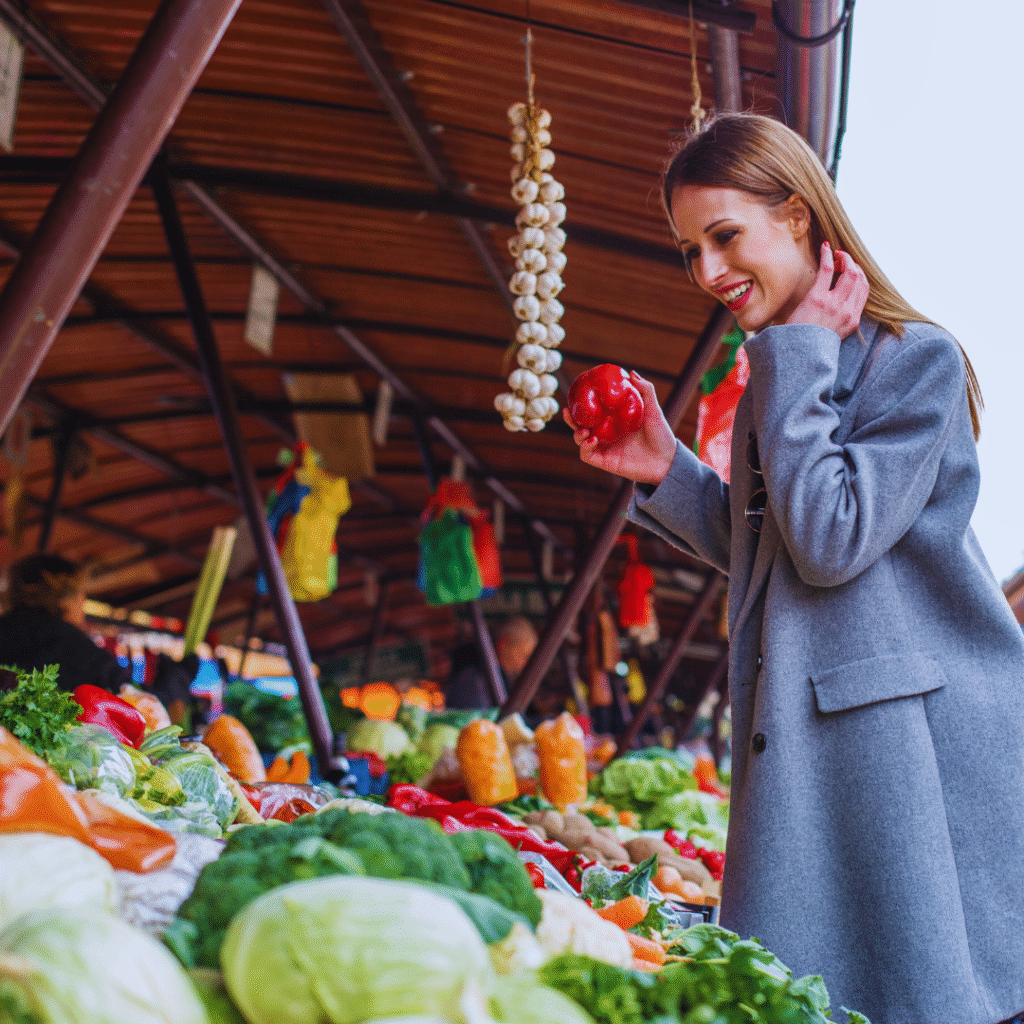
Food costs can quickly add up, so planning meals wisely is essential. Travelers should seek out local markets where fresh ingredients and affordable meals are readily available. Eating at local food stalls or small family-run restaurants can provide authentic culinary experiences at lower prices.
Buying groceries and preparing simple meals when possible can also save money. Many accommodations offer kitchen facilities, making it easy to prepare meals. This approach not only cuts food expenses but also enriches the travel experience by engaging with local produce.
Budget-Friendly Activities and Attractions
Activities and attractions can vary greatly in price. Researching free or low-cost events in a destination, such as festivals or outdoor activities, can enhance a trip without straining the budget. Many cities provide free entry to museums on certain days.
Investing in a city pass can lead to substantial savings if multiple attractions are on the itinerary. This often includes discounts on entrance fees and access to guided tours. Traveler reviews can offer insight into the best budget-friendly options available.
Smart Planning and Protecting Your Travel Fund
Effective management of travel expenses requires strategic planning and safeguarding one’s travel fund. By prioritizing travel insurance, preparing a thoughtful packing list, tracking gifts and souvenirs, and adopting healthy spending habits, travelers can optimize their budgets.
The Importance of Travel Insurance
Travel insurance protects against unexpected events that can disrupt travel plans. It covers costs associated with trip cancellations, medical emergencies, lost luggage, and more.
When selecting a policy, travelers should consider factors such as coverage limits, deductibles, and specific exclusions. Reading customer reviews can also help in assessing the reliability of an insurance provider. Digital nomads especially benefit from comprehensive coverage due to their varying locations and potential health risks.
Preparing a Thoughtful Packing List
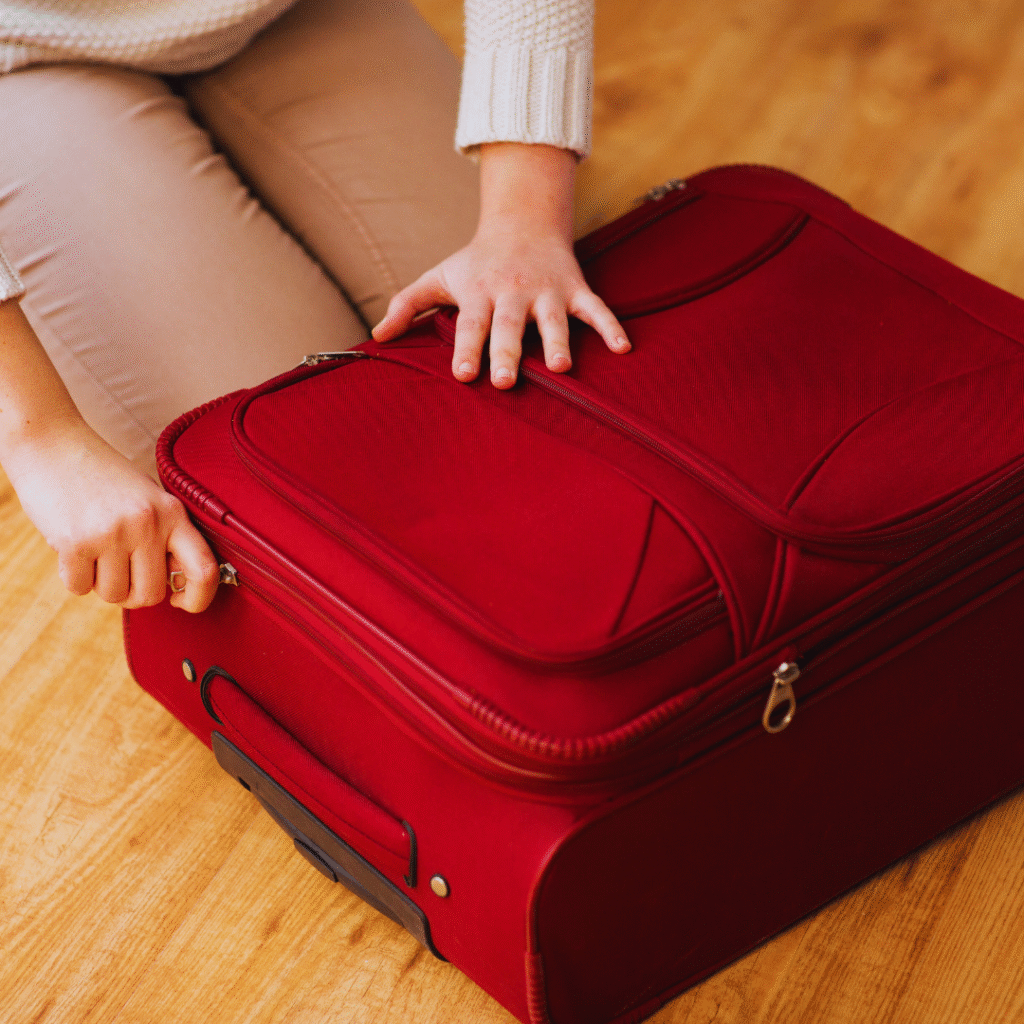
Creating a packing list is a key step in budget management. A well-organized list ensures travelers pack essential items while avoiding unnecessary purchases.
Travelers should categorize items into clothing, toiletries, documents, and gadgets. This helps identify what’s needed for specific destinations or activities. For instance, bundling clothing based on weather conditions can prevent overpacking and excess baggage fees.
Moreover, including a first-aid kit and any necessary vaccinations in the packing list can save money on medical costs during the trip.
Managing Gifts, Souvenirs, and Other Extra Costs
Gift and souvenir expenses can quickly inflate a travel budget. Setting a specific limit on spending for these items allows travelers to stay within their financial boundaries.
Creating a designated budget line for gifts ensures they are considered ahead of time. Travelers can also opt for meaningful yet cost-effective souvenirs, such as local artisan crafts, instead of expensive trinkets.
Additionally, keeping a daily spending log can help track expenses and uncover areas for potential savings.
Adopting Healthy Spending Habits as a Traveler
Adopting healthy spending habits is crucial for maintaining a travel fund. Travelers should prioritize their expenses by distinguishing between needs and wants.
Utilizing travel guides to find cost-effective activities or dining options can help stretch the budget. Joining group tours or seeking out local advice can lead to valuable savings.
Moreover, using cash instead of credit cards can provide a more tangible sense of spending, helping to avoid unnecessary debt. Setting daily spending limits further enforces discipline, encouraging travelers to stick to their budgets.