Preparing for long-term travel requires careful planning and organization. Creating a comprehensive checklist of essentials such as travel documents, health insurance, and emergency contacts is crucial for a smooth journey. Understanding the destination, including cultural norms and safety guidelines, can enhance the travel experience.
Budgeting plays a significant role in long-term travel preparation. Establishing a clear financial plan, including daily expenses, accommodation, and activities, will help prevent overspending and maintain a stress-free trip. Researching low-cost travel options can also lead to significant savings.
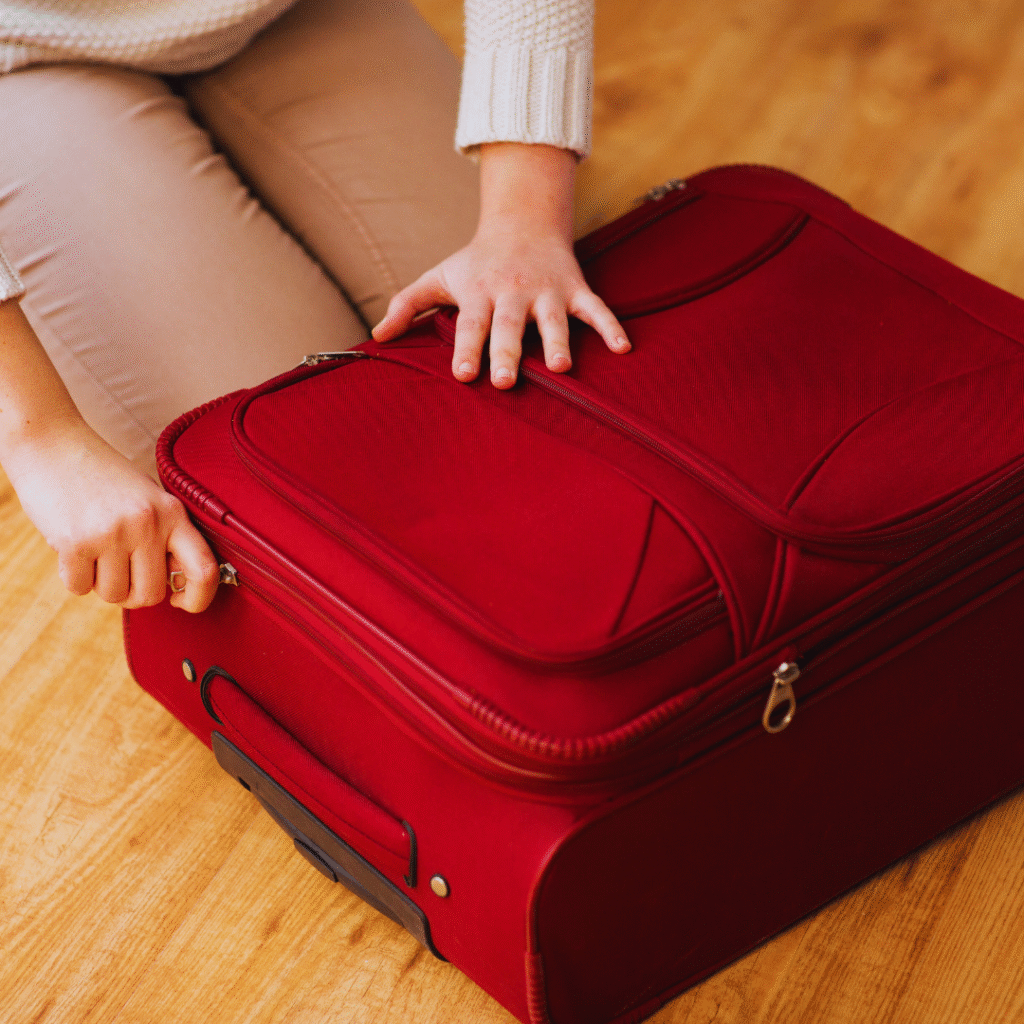
Packing efficiently is vital for extended travel. Choosing versatile clothing and investing in quality gear can reduce luggage weight and maximize comfort. Preparing mentally for the challenges of long-term travel will ensure a more enjoyable and rewarding experience.
Ensuring the home remains secure is an important part of preparing for an extended trip. This includes checking that all windows and doors function properly and that locks are in good condition.
Security systems should be tested to confirm they are operating effectively. For those with a vehicle, keeping it safely in a garage is ideal; if a garage is not available, contact a storage business and they can ensure the vehicle is protected. Taking these precautions helps maintain peace of mind, safeguards property and belongings while away, and ensures that everything remains in order until return.
Planning and Preparing for Your Journey
Preparing for long-term travel involves careful planning and a proactive mindset. Establishing clear goals and conducting thorough research will enhance the travel experience.
Setting Goals and Mindset
A positive mindset is crucial for long-term travel. Travelers should envision their objectives, whether it’s cultural immersion, adventure, or relaxation. Setting specific goals helps maintain focus.
Questions to consider include:
- What experiences are they seeking?
- How do they want to grow personally?
Creating a travel vision board can enhance motivation. It’s also essential to remain adaptable, as changes can arise during the journey.
Embracing a flexible attitude will facilitate better decision-making and improve resilience when faced with unexpected challenges.
Researching Destinations and Visa Requirements
Thorough research is crucial before embarking on the journey. Travelers must understand the visa requirements for each destination. Some countries require visas to be obtained in advance, while others allow for on-arrival options.
Key steps to take include:
- Checking the validity of passports.
- Reviewing travel advisories.
Utilizing official government websites aids accuracy. Additionally, researching cultural norms can enhance interactions and experiences.
Creating a checklist of required documentation and deadlines ensures that travelers remain organized and compliant with international travel laws.
Budgeting for Extended Travel
Developing a budget is foundational for long-term travel. It helps travelers allocate resources effectively and avoid financial stress. They should outline projected expenses in key categories such as accommodations, food, transportation, and activities.
Sample Budget Categories:
- Accommodations: Hostels, hotels, or rentals.
- Food: Daily meal costs.
- Transportation: Flights, trains, and local transit.
- Activities: Tours, events, or excursions.
Including a contingency fund for emergencies is advisable. Utilizing budgeting apps can help in tracking expenses throughout the journey. Allocating a clear budget paves the way for enjoyable experiences without financial strain.
Organizing Essential Travel Documents
Preparing essential travel documents is critical for any long-term trip. This section focuses on four key areas: obtaining a passport, understanding visas, preparing travel insurance, and arranging medical documentation. Each component plays a vital role in ensuring a smooth travel experience.
Obtaining and Securing Your Passport
A passport is a fundamental requirement for international travel. It is essential to apply for a passport at least several months in advance, as processing times can vary.
Steps to secure a passport:
- Fill out the application form accurately.
- Provide required identification documents, such as a birth certificate or national ID.
- Submit passport photos that meet specific guidelines.
- Pay the processing fee.
Once obtained, keep the passport in a safe place. Consider using a passport holder to protect it from damage. Make photocopies of the passport and store them separately. Additionally, a digital copy saved in the cloud can be a backup in case of loss.
Understanding Visas and Permits
Travelers may require visas or permits depending on their destination. These documents grant permission to enter a foreign country and can vary significantly in application processes and requirements.
Important considerations include:
- Check visa requirements for each country on the itinerary.
- Apply for visas well in advance, as processing times can be lengthy.
- Some countries may require an Electronic Travel Authorization (ETA).
Keep copies of visa approvals and related documents in a travel folder. Be aware of expiration dates and the duration of stay permitted by the visa to avoid overstays.
Preparing Travel Insurance
Travel insurance provides protection against unforeseen incidents such as trip cancellations, medical emergencies, or lost belongings. Obtaining comprehensive travel insurance is crucial for long trips.
Key aspects to evaluate:
- Coverage for medical expenses, including emergency evacuation.
- Coverage for trip cancellations and interruptions.
- Options for personal liability and lost luggage.
Travelers should compare different policies to find one that meets their specific needs. Always carry a printed copy of the insurance policy and emergency contact numbers while traveling. An insurance card can be beneficial as well.
Arranging Medical Documents and Vaccinations
Medical documentation is another essential area. It is important to check if vaccinations are required for specific destinations. Visit a travel clinic for proper guidance.
Consider these steps:
- Obtain vaccination records and keep them accessible.
- Discuss prescription medications with a healthcare provider to ensure availability while traveling.
- Carry a list of medications, including dosages and generic names.
Having these documents organized can help in situations that require medical care abroad. Taking proactive steps ensures peace of mind and helps in emergencies.
Packing and Tech for Long-Term Travel
Effective preparation requires careful planning of gear and technology. This section addresses essential packing strategies, equipment selection, and financial management.
Creating a Practical Travel Packing List
A thoughtful packing list can make long-term travel enjoyable and efficient. Start by listing essentials: clothing suited for various climates, toiletries, and medications. Aim for versatile clothing that can be layered or mixed.
When preparing the list, consider packing cubes for organization. They can help save space and keep belongings tidy. Travel-sized toiletries can reduce weight without sacrificing hygiene needs.
Including items such as a lightweight rain jacket, portable charger, and a reusable water bottle is also wise. Remember to add important documents like travel insurance, passports, and copies of reservations.
Selecting Reliable Travel Gear
Choosing the right gear can significantly enhance one’s travel experience. Invest in a durable backpack or suitcase tailored for long-term trips. Features like water resistance and multiple compartments improve functionality.
Travel adapters and a universal charger ensure electronic devices remain operable across borders. Noise-cancelling headphones may enhance comfort during long travel hours.
For connectivity, a local SIM card or a mobile hotspot device can provide reliable internet access. Research local SIM options in advance for better rates. Utilizing travel apps can provide valuable information on accommodations, transport, and communication.
Managing Finances and Bank Cards
Financial management is crucial during travel. Carry at least two bank cards for backup. A credit card with no foreign transaction fees can save money on purchases abroad.
Inform the bank about travel plans to avoid any card blocks while abroad. Use mobile banking apps to monitor spending and access funds easily.
Prioritize using local ATMs for cash withdrawals to avoid unfavorable exchange rates. Keeping local currency on hand, along with a travel wallet or pouch that protects against theft, adds an important layer of security.
Accommodations and Lifestyle on the Road
Long-term travel requires careful planning around accommodations and how to maintain a balanced lifestyle while exploring new places. Key considerations include finding suitable places to stay, staying connected, reducing belongings, and documenting experiences.
Finding Long-Term Stays: Apartments, Hostels, and Airbnb
When searching for accommodations, travelers can choose between various options. Apartments often provide more space and privacy, making them ideal for longer stays. Websites like Booking.com or local real estate platforms can help locate available rentals.
Hostels serve as budget-friendly options, fostering social interactions. Many hostels offer private rooms, which can cater to those needing both affordability and some solitude.
Airbnb can be a versatile platform for securing unique living spaces. Travelers should evaluate amenities, location, and reviews to ensure a pleasant experience. Comparing these options can help travelers pick what best fits their needs.
Staying Connected and Safe Abroad
Remaining connected while traveling is vital. Using local SIM cards or international roaming plans ensures reliable access to the internet. Apps like WhatsApp or Skype facilitate communication with friends and family back home.
Safety should also be a priority. Using a VPN can secure personal data on public Wi-Fi networks. Keeping copies of important documents, such as passports and travel insurance, can aid in case of emergencies.
Utilizing travel insurance is another essential step. It protects against potential risks associated with long-term travel.
Letting Go: Downsizing and Selling Everything
Downsizing before embarking on long-term travel can alleviate burdens. Travelers should assess their belongings and determine what is essential. Meanwhile, those who own property might find that managing or maintaining a home from afar adds unnecessary stress to their travel plans. Hence, for a smoother transition, partnering with a company that buys houses can simplify the process by offering quick sales and freeing up time and funds for the journey ahead.
Selling a property before long-term travel is a significant step, but for many it removes the stress of managing a home from a distance. Cash buying services have become an increasingly popular route for those who want a straightforward and timely sale, avoiding the drawn out process that can come with listing on the open market. Exploring options such as https://sellmyhouseforcashflorida.com or similar services available in your area is a sensible approach, and as with any major financial decision, taking the time to compare a few different buyers before committing is always worthwhile.
Additionally, selling one’s goods may be an ideal option for those wishing to travel light. Platforms like eBay, Craigslist, or Facebook Marketplace offer effective avenues for selling items.
Consider storing some personal items to maintain a connection to home. This can be especially helpful for keepsakes and significant documents. In order to facilitate downsizing, individuals can look up where to find self storage companies to securely store personal items, keepsakes, and important documents while traveling.
Documenting Your Experience: Starting a Travel Blog
Creating a travel blog helps document experiences while traveling the world. It serves both as a personal journal and an opportunity to share insights with others.
Choosing a blogging platform is crucial. WordPress and Blogger are popular due to their user-friendly interfaces. Focus on creating engaging content by sharing stories, tips, and photographs.
Regularly updating the blog can keep readers engaged. Engaging with an online audience can create a sense of community, and feedback can improve writing skills. Documenting travels fosters a deeper appreciation for the journey taken.