Traveling by motorcycle offers unique experiences, whether alone or with a group. Both solo and group travel present distinct advantages and challenges that cater to different preferences. Choosing between solo and group motorcycle travel depends on the rider’s desire for independence versus social interaction.
Solo travel allows for complete freedom to explore at one’s own pace, providing an intimate connection with the surroundings. Riders often enjoy the solitude and self-discovery that come with navigating roads alone. In contrast, group travel fosters camaraderie and shared experiences, making it ideal for those who enjoy companionship and collective adventures.
Each approach to motorcycle travel can transform a journey into a memorable adventure. The decision ultimately hinges on personal priorities—whether it’s embracing the open road solo or sharing the journey with fellow riders.
Solo Motorcycle Travel: The Road to Freedom and Self-Discovery
Solo motorcycle travel offers unparalleled independence and the chance for profound self-discovery. It allows riders to explore the open road at their own pace while reflecting on life and indulging in spontaneity without the constraints of a group.
The Lure of Solo Riding
The appeal of solo riding lies in the freedom it provides. Without the need to coordinate with others, a rider can choose their destination, adjust their route, and make spontaneous stops. This autonomy fosters a unique connection to the journey, allowing for moments of reflection and introspection.
Traveling alone enhances the experience of exploring new landscapes. Riders often find themselves immersed in local cultures and communities, as they are more likely to engage with residents when not overshadowed by a group. This can lead to unplanned adventures and unforgettable memories.
Essentials of Independent Travel
Independent travel requires more than just a sense of adventure. Proper planning, reliable navigation tools, emergency contacts, travel insurance, and a well-maintained vehicle or motorcycle can all contribute to a safer and more enjoyable journey. However, even when a rider does everything right, there are still risks from external factors such as distracted or aggressive drivers, poor road maintenance, and unclear signage.
For this reason, riders should take precautions like wearing safety gear and carrying a first aid kit. It can also be helpful to keep the contact details of a personal injury attorney in Charleston, WV, or a nearby area, readily accessible. If an accident occurs due to another party’s negligence, a local attorney can help explain legal options, communicate with insurance companies, and pursue compensation for expenses such as medical bills, lost wages, vehicle repairs, and pain and suffering.
Safety Considerations for the Lone Rider
Safety is a primary concern for solo travelers. Riders need to remain vigilant at all times. Sharing travel plans with someone trusted can provide an extra layer of security. Having a charged mobile phone and a GPS can be lifesaving in emergencies.
Awareness of surroundings cannot be overstated; it is essential to recognize safe and unsafe environments. Additionally, knowing basic motorcycle maintenance helps avoid breakdowns in remote areas. Insurance coverage should also be comprehensive, offering peace of mind as one rides through unfamiliar territories.
However, even with the best gear, accidents can still happen on the road. A serious crash often leads to long-term health issues that are hard to manage alone. Head trauma is a common result of these incidents and requires immediate medical attention.
If someone faces this situation, they may need professional help to handle the medical bills and insurance claims. Talking to a lawyer for brain injury in Mobile, or elsewhere, can help them understand their rights after a wreck. They have the experience to look into the facts and find the support one needs for the recovery.
Group Motorcycle Rides: Shared Experiences and Dynamics
Group motorcycle rides offer unique dynamics that enhance the riding experience. They create opportunities for camaraderie and shared adventures, while also requiring effective planning and coordination. Understanding these aspects can significantly improve the enjoyment and safety of group travel.
To take things a step further, planning a motorcycle road trip with friends can make for an even more memorable experience, and for those whose friends are keen to join but do not own a bike of their own, reaching out to agencies like Tigit Nepal can be a great way to sort that out.
They can offer motorcycle rentals that make it easy for the whole group to hit the road together without anyone being left behind. Additionally, such agencies generally provide guided tours alongside professionals to make things even easier by researching and planning things out accordingly.
The Joys of Camaraderie on the Road
Riding in a group fosters a strong sense of camaraderie among participants. Shared experiences, such as discovering new routes and stopping at scenic viewpoints, create lasting memories. This environment encourages the exchange of stories and skills, enhancing camaraderie.
Additionally, the feeling of safety in numbers can boost confidence when navigating unfamiliar areas. Riders looking out for one another promote a supportive atmosphere, where challenges can become collective adventures. The bond formed through shared experiences often extends beyond the ride, with friendships developing that last long after the journey concludes.
Navigating Group Dynamics and Formation
Group dynamics are essential for a smooth riding experience. Riders must establish clear communication and roles within the group. Choosing the right formation is crucial for safety and visibility. Common formations include staggered and single-file, based on road conditions and traffic.
Understanding individual riding styles also plays a key role. Each rider’s comfort level, speed, and experience may vary. A successful group ride balances these differences while ensuring everyone feels included and safe. Regular check-ins during the ride can help maintain this equilibrium, making for a more enjoyable journey.
Planning and Coordination for Group Tours
Effective planning and coordination are fundamental to successful group motorcycle rides. Riders must agree on a route that accommodates everyone’s interests and skill levels. Identifying pit stops for fuel, food, and rest is essential to keep the group refreshed.
Communication tools, such as two-way radios or group chats, can facilitate real-time updates. Determining the optimal group size is also important; smaller groups may allow for more intimate experiences, while larger groups can offer increased safety and camaraderie.
In summary, proper planning fosters a balanced group dynamic, ensuring that every rider has an enjoyable experience on the road.
For a successful solo motorcycle trip, certain essentials are crucial. A well-maintained motorcycle is paramount. Regular checks on oil, tires, and brakes ensure safety on the road. Packing light yet effectively is important. A balanced load enhances stability while riding.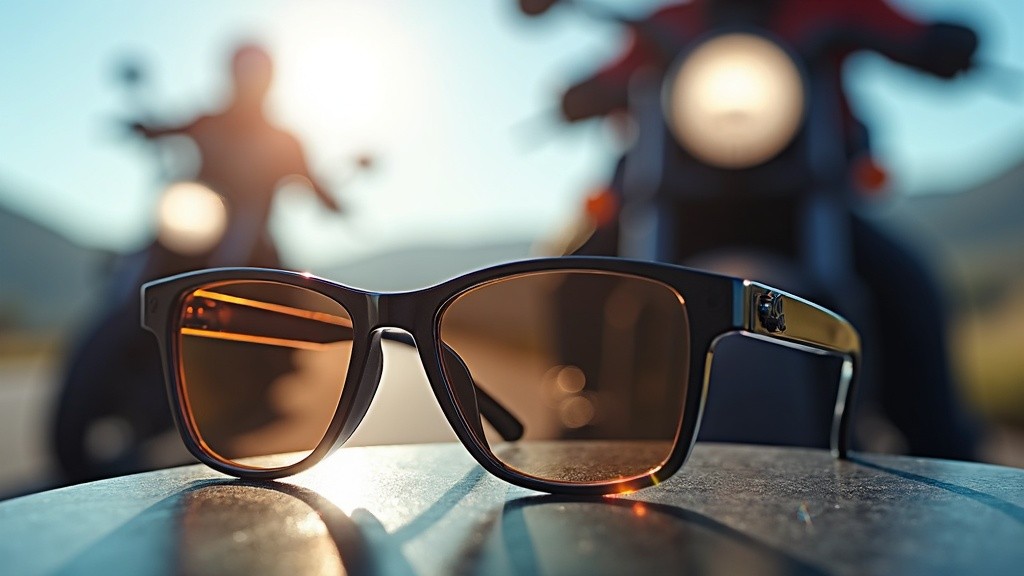
The Practical Aspects of Motorcycle Travel
Effective planning enhances the enjoyment of motorcycle travel. Understanding how to pack efficiently and balance ride schedules with downtime is crucial for a fulfilling journey.
Packing Smart for Your Riding Adventure
Packing for a motorcycle adventure requires careful consideration. Prioritizing essential items can maximize space and keep the load manageable.
Recommended Packing List:
- Clothing: Waterproof gear, layering options, and spare gloves.
- Tools: Basic repair kit, tire repair tools, and multi-tool.
- Camping Gear: Lightweight tent, sleeping bag, and portable stove.
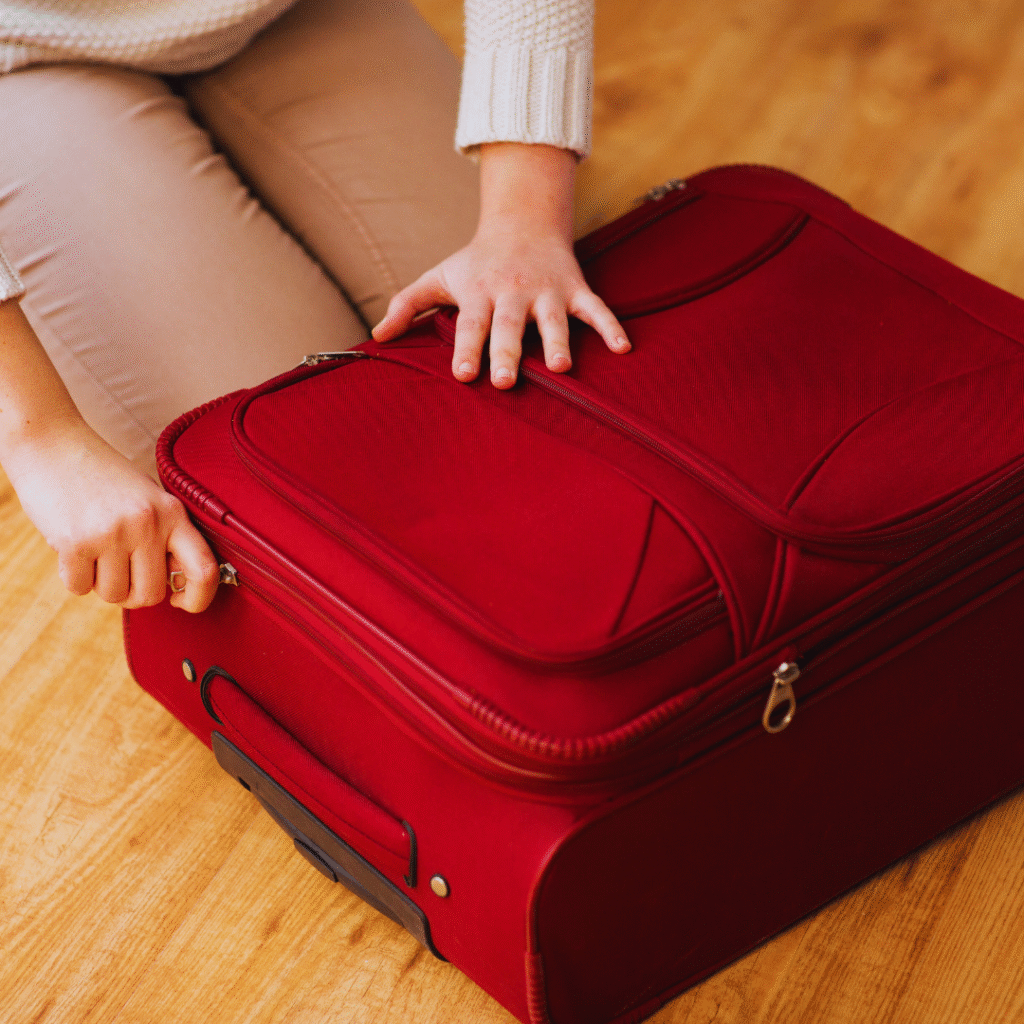
Utilizing saddlebags or a tail bag can help distribute weight evenly. It is essential to secure all items properly to avoid distractions while riding. A well-organized pack enhances mobility and contributes to the overall experience, whether traveling solo or with a group.
Scheduling: Balancing Time for Rides and Reflection
An effective schedule is vital for both solo and group motorcycle travel. Balancing time on the road with periods of rest allows for reflection and enjoyment of the surroundings.
Riders should consider setting daily mileage goals to avoid fatigue. Shorter travel days enable exploration of local attractions or unwinding at scenic spots.
Sample Daily Schedule:
- Morning: Depart after breakfast, aiming for 200-300 miles.
- Afternoon: Stop for lunch; explore a landmark or scenic viewpoint.
- Evening: Arrive at the destination, allowing time for relaxation.
This approach fosters a sense of freedom while ensuring the journey remains enjoyable. Time for reflection can enhance personal growth and appreciation for the adventure.
Motorcycle Riding Tips for New and Seasoned Riders
For new riders, gaining experience is crucial. Start by practicing in low-traffic areas to build confidence.
Key Tips for New Riders:
- Wear Proper Gear: Invest in quality helmets and protective clothing.
- Know Your Bike: Familiarize yourself with controls and handling.
- Practice Maneuvers: Master skills like turning, stopping, and emergency braking.
Seasoned riders might focus on refining techniques. Advanced skills can enhance safety during motorcycle adventures.
Important Tips for Seasoned Riders:
- Stay Alert: Be aware of your surroundings and anticipate traffic behavior.
- Maintenance Checks: Regularly inspect tires, brakes, and fluids.
- Continue Learning: Attend advanced riding courses to hone skills.
Solo riding offers personal growth. Riders can reflect and enjoy freedom on the road.
Benefits of Solo Riding:
- Self-Discovery: It encourages independence and decision-making.
- Flexible Itinerary: Riders can explore at their own pace without coordinating with others.
Group riding provides camaraderie and shared experiences. It can make long journeys more enjoyable.
Advantages of Group Riding:
- Safety in Numbers: Groups can increase visibility and safety.
- Shared Knowledge: Experienced riders can provide tips to novices.
Both solo and group riding have unique benefits, catering to different preferences and experiences.