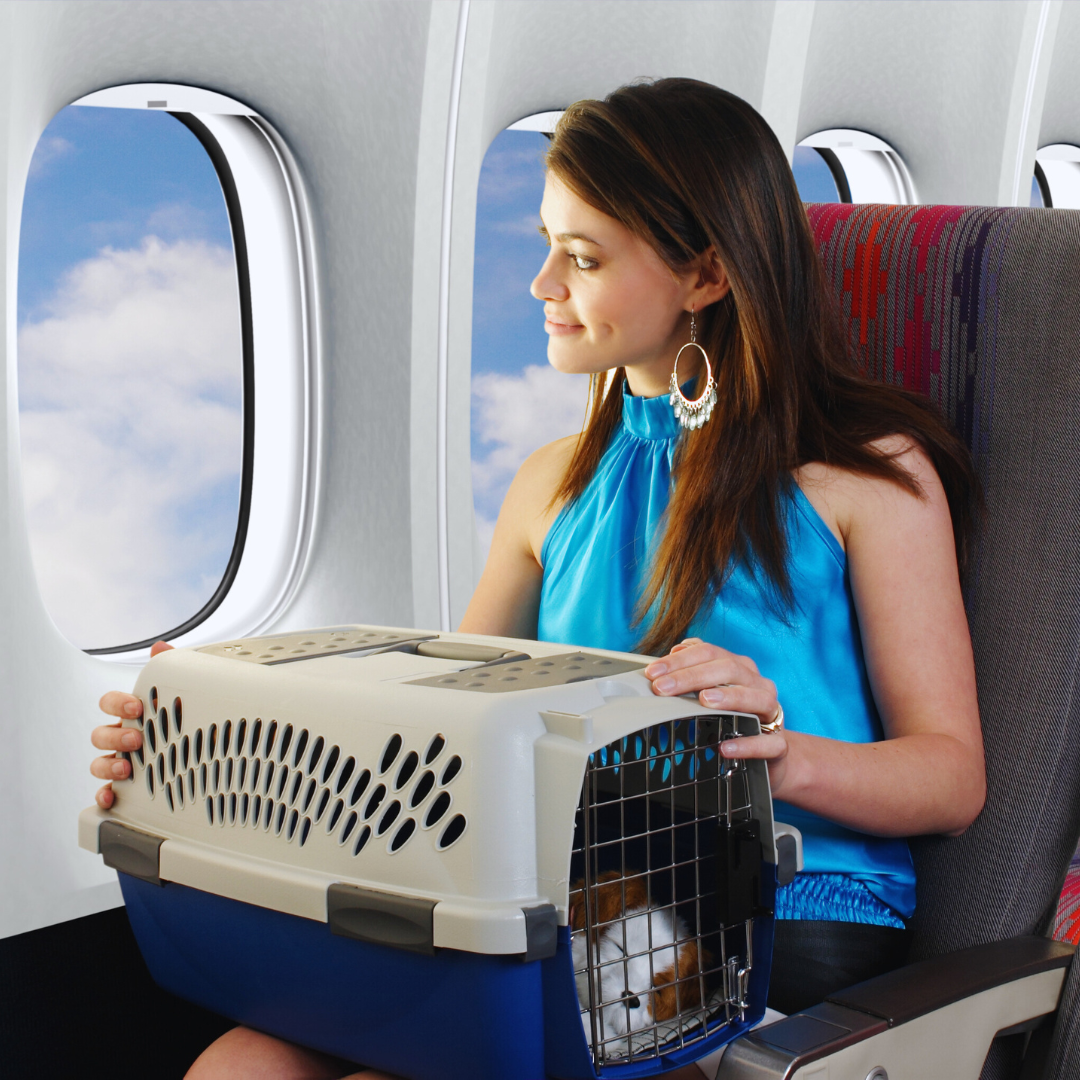
Traveling with pets can present a unique blend of excitement and challenges. Many pet owners find joy in including their furry companions in their adventures, fostering bonding experiences that create lasting memories. Consideration of the benefits and drawbacks of traveling with pets is essential for a smooth journey and an enjoyable experience for both the pet and the owner.
Bringing a pet along can enhance the travel experience by providing comfort and companionship, easing anxiety during unfamiliar situations. However, it also comes with responsibilities such as finding pet-friendly accommodations and ensuring the pet’s health and safety throughout the trip. Understanding these factors can help pet owners make informed decisions about their travel plans.
Ultimately, the choice to travel with pets hinges on individual circumstances, preferences, and the level of preparedness for managing the journey. Researching options and making thoughtful arrangements can lead to enriching experiences for both pet and owner while navigating potential challenges.
Benefits of Traveling with Pets
Traveling with pets enhances experiences for pet owners and their animals. By sharing travel adventures, these companions strengthen their bonds, reduce anxiety, and provide essential emotional support.
Strengthening the Human-Pet Bond
Traveling together fosters a deeper connection between pets and their owners. Shared experiences allow for quality time spent together, enhancing understanding and trust.
When a pet accompanies its owner, it can lead to more interactive activities. Whether hiking, exploring new cities, or relaxing on a beach, these shared moments contribute to enriching the relationship.
Additionally, visiting new environments stimulates pets mentally and physically. This stimulation contributes to a stronger bond as owners observe their pets adapting and engaging with the new surroundings.
Reducing Separation Anxiety
For many pets, separation from their owners can lead to anxiety. Traveling together minimizes this concern significantly. Pets often feel secure when their owners are nearby, reducing stress during trips.
Bringing a pet along means they avoid familiar triggers of anxiety from separation, such as isolation in unfamiliar surroundings. This setup can result in a calmer and more enjoyable trip for everyone involved.
Moreover, the presence of a pet can create a more relaxed atmosphere. Owners often feel less stressed, which in turn positively affects their pets, contributing to a smoother travel experience.
Emotional Support and Companionship
Pets provide unparalleled emotional support. Their companionship can alleviate the stress that often accompanies travel. Owners can enjoy the comfort of having a familiar presence, which can be particularly beneficial in new or potentially overwhelming settings.
The bond formed through travel can also be therapeutic. The joys of shared exploration often lead to positive emotional experiences, uplifting the spirits of both the pet and the owner.
Pets also help facilitate social interactions. Owners may find it easier to connect with others in new environments simply by having their pets with them. This dynamic can lead to enhanced social experiences while traveling.
Challenges and Considerations
Traveling with pets involves several critical challenges and considerations that pet owners must navigate. From logistics to legal requirements, each aspect requires careful planning to ensure both the owner and the pet have a safe and enjoyable journey.
Logistical Challenges of Pet Travel
Planning for pet travel requires considerable preparation. Owners must assess their pet’s temperament, breed, and health to determine if travel is appropriate. Different modes of transportation present unique challenges.
For example, airlines often have restrictions on pet sizes and breeds. There may be limits on the number of pets allowed per flight and varying fees. When traveling by car, ensuring adequate space, food, and bathroom breaks is essential.
In addition to packing essentials like food, water, and medications, owners must plan for pet-friendly accommodations. Using travel apps can help find suitable lodging that accommodates pets to ease logistical woes.
Navigating Air and Ground Transportation
Traveling by air poses specific hurdles for pet owners. Many airlines require pets to be transported in an airline-approved kennel. Depending on the airline, pets may travel in the cabin or the cargo hold.
For cabin travel, pets typically need to fit under the seat. Owners must check each airline’s regulations on size, type of carrier, and health certificates. In contrast, pets traveling in the cargo hold face risks related to temperature and anxiety.
Ground transportation is often more flexible. However, longer trips require breaks for exercise and bathroom needs. Owners should consider the pet’s comfort, including temperature control and safety while driving.
Managing Health and Safety Risks
Health concerns are paramount when traveling with pets. This starts with a visit to the veterinarian to ensure the pet is fit for travel. Vaccination records and health certificates may be required by certain airlines or destinations. It is also a good time to discuss chronic conditions that might be aggravated by long walks or changes in activity levels. For example, a senior dog suffering from canine osteoarthritis may require specialized pain management or localized treatments to ensure they can remain mobile and comfortable throughout the trip.
Owners often look for long-term solutions to keep their pets active during these trips. Managing joint pain is a big part of making sure a dog can handle car rides or walks in new places. Some options involve daily pills, while others focus on direct joint care. Finding the best dog arthritis treatment helps reduce the stress of constant medication schedules while away from home. These medical choices allow pets to move with less discomfort on different types of terrain. A vet can help decide which path fits a dog’s specific needs before the vacation starts.
Moreover, exposure to new environments can lead to anxiety or illness. Owners should be vigilant for signs of stress, which can manifest as excessive barking or refusal to eat. Additionally, ensuring access to fresh water and familiar items can help mitigate stress.
Safety is another priority. Pets should be secured in the vehicle using restraints or carriers. In case of emergencies, travel kits with first-aid supplies are essential to address any health issues that may arise.
Legal and Documentation Requirements
Each location may have specific legal requirements for pet entry. Owners must research the regulations of their travel destination thoroughly. This often includes vaccination records, microchip information, and import permits.
Countries or states may impose quarantine regulations, especially for certain breeds or exotic animals. Preparing these documents well ahead of the trip can avoid delays and potential fines.
Airlines and event organizers often require specific forms or health certificates. Each pet must meet the individual airline’s protocols, so verifying these requirements in advance can streamline travel.
Practical Tips for Successful Pet-Friendly Travel
Traveling with pets requires careful planning and attention to detail. Understanding how to choose suitable accommodations, prepare pets for travel, and find reliable pet sitters can enhance the traveling experience for both pets and their owners.
Choosing Pet-Friendly Accommodations
Finding the right place to stay is crucial. Many hotels and vacation rentals now cater specifically to pets. Look for accommodations that offer pet-friendly amenities like designated pet areas and food bowls. Websites like BringFido and Airbnb can filter searches by pet policies.
Key points to consider:
- Pet Policy: Confirm weight limits and breed restrictions.
- Fees: Inquire about additional fees for pets, which can vary widely.
- Nearby Amenities: Ensure there are parks or walking areas nearby.
Prioritize accommodation that provides a comfortable environment for pets to reduce anxiety during travel.
Preparing Your Pet for the Journey
Preparation is essential to ensure pets are comfortable during travel. Start by acclimating pets to carriers or travel crates. This helps minimize stress during the trip. A trial run in the carrier can help them adapt.
Tips for readiness include:
- Health Check: Schedule a vet visit to ensure pets are healthy and vaccinations are up-to-date.
- ID and Microchip: Make sure pets are wearing identification tags with updated contact information.
- Pack Essentials: Bring travel supplies like food, water, and medications. Include comfort items, such as familiar toys or blankets, to soothe them.
Proper preparation can make travel less daunting for pets.
Finding Reliable Pet Sitters on the Road
Sometimes, leaving pets with a trusted sitter while exploring is necessary. Research local pet care options before the trip. Websites like Rover can help find vetted pet sitters in unfamiliar areas.
Consider these factors:
- Reviews and References: Check feedback from previous clients for reliability.
- Meet and Greet: Arrange an introduction with the sitter before leaving the pet in their care.
- Services Offered: Ensure the sitter can provide the necessary care, such as medications and exercise.
Securing a trustworthy pet sitter gives peace of mind for both the pet and the owner.