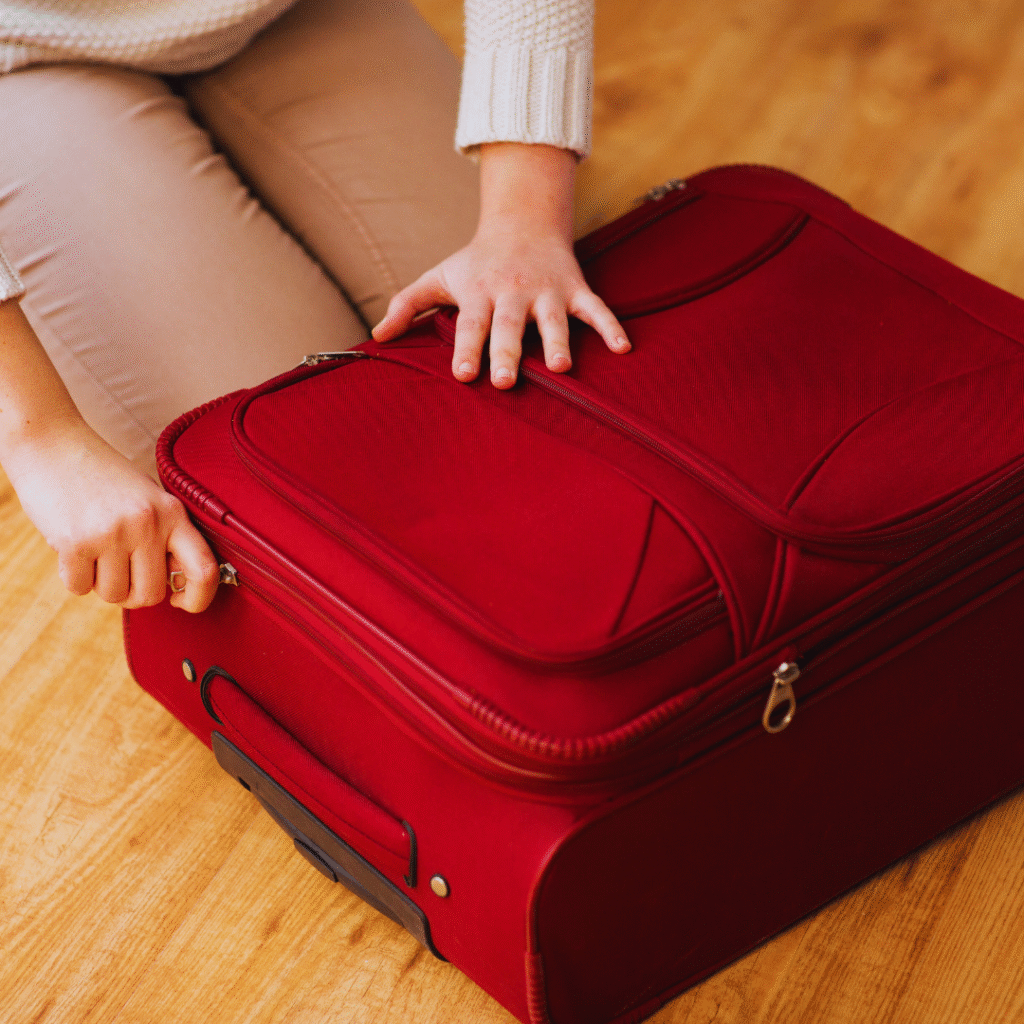
Planning an outdoor adventure requires careful consideration of what to pack. The ultimate packing list for extreme outdoor travel ensures that adventurers are well-equipped to face challenging conditions while maximizing comfort and safety. Knowing what to bring can make all the difference between an exhilarating experience and a frustrating ordeal.
This packing checklist includes essential gear, clothing, food, and emergency supplies tailored for rugged environments. Shedding light on key items will help ensure travelers are prepared for unexpected weather changes or difficult terrain. With the right items in their backpack, those venturing into the wilderness can focus on the journey ahead.
Explorers, climbers, and trekkers will find that a strategic approach to packing not only enhances their experience but also boosts their confidence. Whether embarking on a weekend hike or an extended expedition, understanding the essentials is crucial for a successful trip.
Fundamental Packing Strategies for Extreme Outdoor Travel
Effective packing strategies are essential for extreme outdoor travel. With careful planning and organization, adventurers can ensure they are well-prepared for any situation while maximizing space and efficiency.
Planning Ahead for Success
Planning is a cornerstone of successful packing. A detailed packing list allows travelers to track essential gear and supplies needed for the journey. It’s critical to identify specific requirements based on the destination’s climate, terrain, and activities involved.
Creating a packing checklist can help streamline this process. Categorizing items into groups like clothing, equipment, and food ensures no essential gear is overlooked. Prioritizing lightweight and multifunctional items further enhances the travel experience.
Additionally, reviewing weather forecasts can inform clothing choices, ensuring appropriate gear is included for predicted conditions. This foresight allows travelers to pack not just for comfort, but also for safety and effectiveness.
Packing Tips and Organization
Effective packing techniques can save space and time. Utilizing packing cubes can help keep items organized, offering compartments for clothing, gear, and personal items. This method simplifies access to gear, especially in tight situations.
Rolling clothes instead of folding them can create more space in the backpack. It reduces wrinkles and optimizes what can fit. Creating a layering system with clothing can also enhance adaptability to changing weather conditions.
Essential items should be packed last for easy access. Storing frequently used items in external pockets can improve convenience. Each piece of gear should serve a purpose, reducing unnecessary bulk.
Prioritizing Safety and Versatility
Safety should always be a priority in extreme outdoor travel. Packing first-aid kits, hydration systems, and navigation tools is crucial. These items should be easily accessible in emergencies.
Versatility is also key. Gear that can serve multiple functions reduces weight and maximizes utility. For example, a multi-tool can replace several individual tools, streamlining packing.
When evaluating equipment, consider both durability and weight. Lightweight materials can enhance mobility, but ensuring robust construction is vital for safety. Carefully selecting gear can mitigate risks while providing the durability required for rugged conditions.
Minimalist vs. Comprehensive Packing Approaches
Travelers must choose between minimalist and comprehensive packing strategies based on individual preferences and trip requirements. A minimalist approach emphasizes fewer, high-quality items, promoting ease of movement and flexibility.
Conversely, a comprehensive approach includes a broader range of gear, ensuring preparedness for various scenarios. This may lead to heavier packs but can enhance comfort on longer excursions.
Ultimately, evaluating the specific trip conditions will guide this decision. In either case, a well-thought-out ultimate packing list is essential to balance efficiency with preparedness. It helps ensure that adventurers are equipped to tackle any challenges they might face.
Essential Gear and Clothing for Various Environments
Choosing the right gear and clothing is essential for tackling extreme outdoor conditions. This section covers critical clothing choices, footwear, outerwear, and efficient packing strategies for diverse climates.
Critical Clothing for Outdoor Extremes
For extreme outdoor environments, understanding the layering system is crucial. The base layer, which includes t-shirts, long-sleeve shirts, and thermal undergarments, helps wick moisture away from the skin. Fabrics like merino wool or synthetic materials are effective.
The middle layer, typically a sweater or fleece jacket, provides insulation. It traps heat without adding too much bulk. Choose materials that allow for breathability.
The outer layer, or shell, should be waterproof and windproof, such as a durable jacket or pants made from Gore-Tex or a similar fabric. Accessories like gloves and hats are essential for protecting extremities from cold. Selecting the right mix of materials ensures comfort and safety.
Footwear Selection for Every Terrain
Footwear should be specific to the terrain encountered. Hiking boots are ideal for rugged trails, offering ankle support and traction. They should be breathable yet waterproof, typically featuring materials like leather or synthetic blends.
For less challenging paths, sneakers or trail running shoes may suffice, providing comfort and cushioning. In hot climates, sandals offer breathability while still providing some foot protection.
In snowy conditions, snow boots with thermal insulation and waterproof features are crucial. Proper socks made of wool or synthetic fabric are important to prevent blisters and manage moisture, complementing the footwear chosen.
Weather-Ready Outerwear and Accessories
Weather conditions can change rapidly, making outerwear selection paramount. A quality rain jacket or shell is non-negotiable for wet environments, while insulated jackets come in handy for cold climates. Look for features like adjustable hoods and ventilation zippers.
Accessories enhance comfort and protection. Hats shield against the sun and keep warmth in cold conditions. Gloves should match the environment; lighter ones for cool weather and insulated, waterproof options for extreme cold.
Umbrellas or portable shelters can provide additional protection from rain or intense sun, contributing to overall preparedness for unexpected weather.
Efficient Packing for All Climates
Packing efficiently is key when considering the variable climates encountered. Utilizing packing cubes can keep clothing organized and easy to access, minimizing space within a backpack or suitcase.
Consider versatile clothing that can be layered or adjusted for different weather, such as convertible pants and casual shirts that double for hikes and evenings out. A laundry kit facilitates washing clothes on extended trips.
Optimize packing by rolling clothes instead of folding. This approach reduces wrinkles and saves space. Keep essential accessories, such as belts and tights, easily accessible to ensure readiness for any situation.
Must-Have Equipment and Emergency Essentials
For any extreme outdoor travel, carrying the right equipment and emergency essentials is vital. This section covers crucial items that enhance safety, facilitate navigation, and maintain health and comfort during outdoor adventures.
Critical Outdoor Gear and Tools
A reliable backpack is the first essential for carrying gear. It should be durable, weather-resistant, and large enough to fit essential items without being overly cumbersome.
A quality tent provides shelter, while a sleeping bag designed for low temperatures ensures warmth at night. Fuel for cooking or heating is also essential. Portable stoves and fuel canisters should be lightweight yet efficient.
Additional tools like a multi-tool are useful for repairs and food preparation. A sturdy rope is important for securing gear or making repairs. Lastly, a headlamp or flashlight will enhance visibility, especially during nighttime activities.
Navigation and Safety Technology
For navigation in remote areas, a GPS device and a traditional map are indispensable. The latter provides a reliable backup to technology failure. A compass enhances navigation skills and confirms directions.
A whistle serves as a simple yet effective tool for signaling help if needed. Portable chargers enable charging of devices in the field, ensuring the ability to communicate or navigate. A camera or tablet can be useful for capturing memories and possibly assisting with navigation apps.
Health, Hygiene, and First Aid
Maintaining health is crucial during outdoor activities. A well-stocked first aid kit is non-negotiable. This should include various bandages, pain relievers, and necessary medications.
Toiletries such as a toothbrush, toothpaste, soap, and deodorant play a role in hygiene. Biodegradable soap is environmentally friendly and effective.
Carrying insect repellent and sunscreen protects against bites and sunburn. Having a small supply of menstrual products and other hygiene items ensures comfort.
Protective Items and Personal Comfort
Protective gear maximizes comfort and safety. A pair of sunglasses protects the eyes from UV rays, while a hat provides shade and warmth.
Keeping hands and feet warm is essential; thick socks and insulated gloves contribute to comfort.
A water bottle should be lightweight but sturdy, with an optional empty water bottle for trips requiring water filtration. A small pot or pan for cooking enhances meal preparation.
Don’t overlook lip balm to prevent chapped lips and hand sanitizer for maintaining hygiene. Basic comfort items like facial cleanser and shampoo are also recommended for personal care.
These essentials ensure a safer, more enjoyable experience while exploring the great outdoors.
Personal Items, Travel Documentation, and Final Touches
When preparing for extreme outdoor travel, personal items, documentation, and a few final touches are crucial for a successful journey. This section outlines essential items to carry for identification, finance, personal comfort, and entertainment.
Identification and Security Essentials
A valid passport is essential for international travel. Ensure it is not expired and has enough blank pages for visas. Some countries require a visa, which must be obtained before departure.
In addition to a passport, carry copies of important documents. This includes an itinerary and insurance cards. Keeping these items in a secure location is vital.
A reliable ID should also be included. Consider a purse or a travel wallet for safekeeping. Utilizing a money belt can prevent theft and keep valuable items discreet.
Money and Documentation
Cash is crucial, especially in remote locations where card machines may not be functional. It’s advisable to carry a mix of local currency and some US dollars or Euros.
Additionally, travelers should have a few forms of documentation ready. This can include boarding passes, accommodation details, and any required permits for outdoor activities.
Using a travel wallet helps organize these documents. Place frequently used items, like cash and cards, at the top for easy access. Also, consider special accounts that provide travel benefits and avoid foreign transaction fees.
Valuables and Entertainment
Be mindful of carrying valuables such as jewelry or electronics. If unnecessary for outdoor activities, it is best to leave them at home.
Headphones and a good book can provide entertainment during transit. Lightweight options are preferable to prevent excess weight.
For those who wear contact lenses, include a travel-size solution and a pair of glasses as a backup. Don’t forget to pack sunglasses for protection against UV rays during outdoor activities.
Comfort Items for Travel Days
Long travel days can be exhausting, so comfort items are important. A travel pillow supports the neck and enhances rest during flights or long rides. Why not include an eye mask for added comfort?
A travel blanket can help maintain warmth, especially in cold environments. Don’t forget earplugs or noise-canceling headphones to reduce disturbances while trying to sleep.
Finally, carry a small change of clothes in case of delays or spills. Keeping this accessible ensures fresh attire at all times. Balancing convenience and comfort is key to a pleasant travel experience.