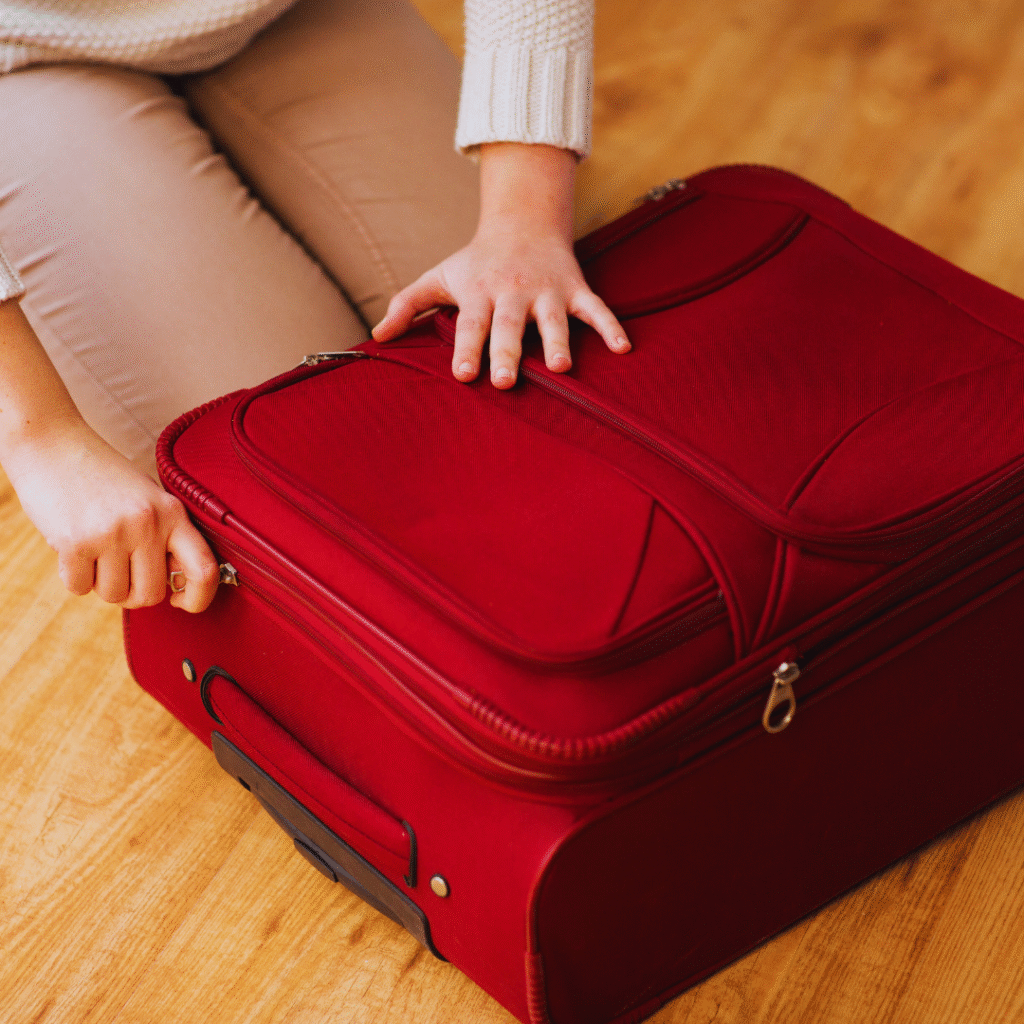
Documenting a journey can be an enriching experience, but it often gets complicated by the challenge of overpacking. Travelers frequently find themselves burdened by unnecessary items, which can distract from the adventure and the memories created along the way. By focusing on essentials and utilizing organized methods to capture moments, one can effectively document their journey without the hassle of excess baggage.
Streamlined packing not only eases the physical load but also encourages a more mindful approach to what truly matters during the trip. Embracing digital tools for photography and journaling can reduce the need for bulky equipment and materials. Simplifying the documentation process allows travelers to focus on the experience rather than the weight of their luggage.
Ultimately, successful journey documentation lies in balancing practicality with creativity. By prioritizing lightweight essentials and embracing technology, individuals can create meaningful records of their travels while enjoying a more liberating experience.
Understanding Overpacking and Its Impact
Overpacking can significantly affect travel experiences. It often stems from a combination of psychological habits and practical concerns. Recognizing its common causes and consequences helps in making more informed packing decisions.
Common Causes of Overpacking
Many travelers tend to overpack due to a fear of being unprepared. This may involve bringing extra clothing for various weather conditions or untested activities.
Additionally, personal preferences play a role. Some individuals feel comforted by having many options available, leading to excess items in their luggage.
Emotional attachments to certain belongings also contribute. Travelers might pack items that hold sentimental value, even if they are unlikely to use them during the trip.
Consequences of Carrying Excess Luggage
Carrying excess luggage results in several practical challenges. The most immediate issue is the increased baggage fees, which can strain travel budgets.
Lugging heavy bags through airports or public transport can lead to fatigue, making the journey less enjoyable. This may also increase the likelihood of losing items or damaging luggage.
Moreover, the clutter can lead to stress and distraction. It becomes difficult to locate essential items quickly, complicating travel logistics.
Psychology Behind Packing Decisions
Psychological factors strongly influence packing habits. Many people experience anxiety regarding potential scenarios that may arise during their trip, prompting them to overpack.
Social comparisons can also affect decisions. Seeing others with extensive gear can lead travelers to believe they need similar items, fostering the urge to pack more than necessary.
Cognitive biases, such as the “availability heuristic,” complicate judgments about what to bring. This bias leads individuals to think of memorable experiences that require specific items, further contributing to overpacking tendencies.
Strategic Planning Before You Pack
Planning effectively can help streamline the packing process and minimize the risk of overpacking. By assessing specific trip needs, researching destinations, and establishing baggage limits, travelers can ensure they bring only what is necessary.
Assessing Your Trip Needs
Before packing, it’s crucial to identify the purpose of the trip. Is it a leisure vacation, a business trip, or an adventure outing? Each scenario requires different items.
Travelers should make a detailed packing list that includes essentials such as clothing, toiletries, and travel documents. This prevents unnecessary items from sneaking into their bags. Prioritizing versatility in clothing choices also allows for mixing and matching outfits, reducing the overall number of garments needed.
Researching Destinations and Weather
Understanding the destination is key to effective packing. Checking the climate for the dates of travel helps determine appropriate clothing and gear.
For instance, packing a raincoat is essential for rainy destinations, while lightweight layers may be needed for warm climates with cooler nights. Travelers should also consider planned activities. Hiking gear or formal attire might be necessary based on the itinerary. Resources such as weather apps or travel guides can provide guidance for preparations.
Setting Baggage Limits Early
Establishing baggage limits early in the planning process can prevent the temptation to overpack. Travelers should determine the size and weight of their luggage ahead of time.
Using a small suitcase or a backpack can help create a natural limit. Additionally, they may want to implement a rule, such as the “one in, one out” policy, where any new item added during packing means another must come out. This keeps their luggage streamlined and manageable while ensuring they have only essential items for the journey.
Efficient Packing Techniques for Minimalism
Efficient packing is crucial for minimizing bulk while ensuring essential items are included. It involves strategic planning and resourceful tools to achieve a streamlined experience.
Creating a Versatile Packing List
A well-structured packing list is the foundation of minimalist travel. Start with a core wardrobe, selecting versatile pieces that can be mixed and matched. Aim for neutral colors that coordinate easily.
Consider including:
- 2-3 tops
- 2 bottoms
- 1-2 outer layers
- 1 pair of versatile shoes
This approach allows for various looks without excess baggage. Review and adjust the list based on the trip’s length and activities. Prioritize multi-functional items, such as a scarf that can serve as a wrap or blanket.
Mix and Match Clothing Strategies
When selecting clothing, focus on compatibility. Each item should pair well with multiple others to create a variety of outfits. Using a color palette helps simplify choices.
Here are a few strategies:
- Choose two main colors to dominate the wardrobe.
- Include one accent color for vibrancy.
- Select items made of similar fabrics for cohesive layering.
Additionally, clothing should be lightweight and quick-drying. This allows for packing fewer items while ensuring comfort and adaptability during the trip.
Using Packing Aids: Packing Cubes and Vacuum-Sealed Bags
Packing aids significantly enhance the minimal packing process. Packing cubes help keep items organized and compress clothing efficiently. They enable easy access to specific items without rummaging through the bag.
Vacuum-sealed bags are another excellent tool for saving space. By removing air, these bags drastically reduce bulk. Travelers can pack bulkier items like jackets or sweaters, benefiting from the extra space.
Combining both methods can maximize packing efficiency. For example, packing cubes can categorize items like tops, bottoms, and undergarments, while vacuum-sealed bags keep larger essentials tucked away and compact.
Smart Toiletries and Accessory Choices
Toiletries can take up unnecessary space if not managed carefully. Opt for travel-sized bottles or consider solid alternatives for items like shampoo or deodorant. These not only save space but are also less likely to leak during travel.
Additionally, leave behind unnecessary accessories. Focus on the essentials like:
- A multipurpose tool for various needs
- A compact travel towel
- Minimal jewelry that complements multiple outfits
Using a clear toiletry bag allows easy access and compliance with travel regulations. Reducing toiletries and accessories frees up room for essentials, creating a more minimalist approach.
Finalizing and Editing Your Packed Items
When preparing for a trip, finalizing and editing packed items is crucial to avoid overpacking and unnecessary baggage fees. A systematic approach can help ensure all essentials are included while keeping luggage manageable.
Utilizing the Two-Pass Rule
The two-pass rule is an effective method for packing efficiently. During the first pass, a traveler lists all items they believe are necessary for their journey. This list should include categories such as clothing, toiletries, and gadgets.
In the second pass, they review the list critically. Consider eliminating items that serve similar purposes or may not be used regularly. For instance, instead of packing several pairs of shoes, choose one versatile pair. This approach reduces luggage weight and prevents overpacking.
Testing and Weighing Your Bag
Before departure, it’s wise to test the packed bag for comfort and practicality. Travelers should pack their items and carry the bag as if on the way to the airport. This practice can reveal potential discomfort.
After testing, weighing the bag is essential. Many airlines have weight restrictions for luggage, and exceeding these may result in baggage fees. A portable luggage scale can help ensure the bag meets the airline’s requirements. If the bag is overweight, items should be removed until it passes the weight limit.
Editing for Essentials Before Departure
Final edits to packed items should focus on essentials. Checking the list against the expected activities and climate can reveal unnecessary items.
For example, if a trip involves mostly outdoor activities, formal attire may not be needed. Prioritize functional clothing and gear. It is also helpful to take advantage of travel-sized products for toiletries, reducing space and weight.
By carefully curating items based on actual needs, travelers can avoid the hassle of overpacking while ensuring they have everything required for their trip.