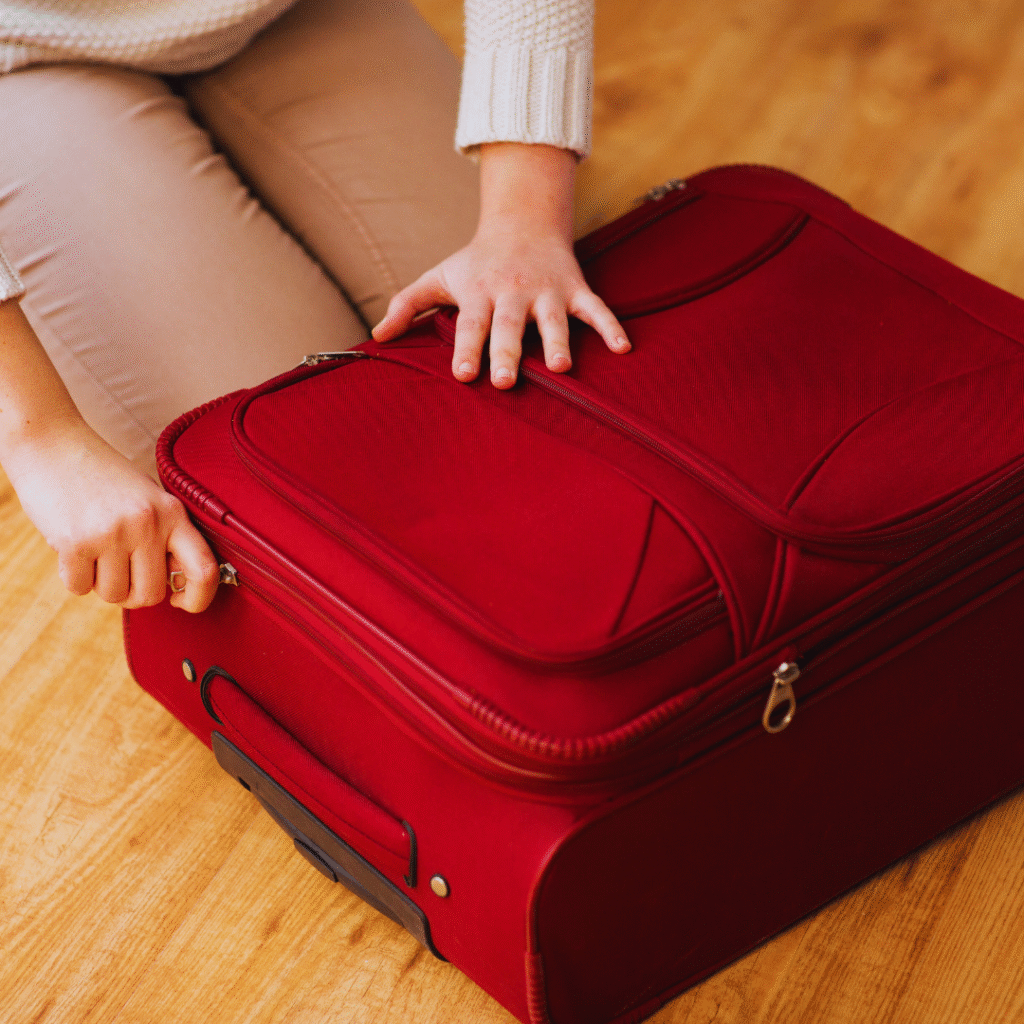
Spontaneous travel can bring excitement and freedom, allowing individuals to break from their routines and explore new places. Making informed decisions in the moment is key to ensuring a rewarding experience. This approach encourages adventure while also considering essential factors like budget and time constraints.
Those who embrace spontaneous travel often discover hidden gems and unique experiences that planned trips might overlook. By staying flexible and open-minded, they can make the most of last-minute opportunities that arise, enhancing their journey.
Planning is still important, but it doesn’t need to overshadow the thrill of spontaneity. By being prepared with the right tools and a willing mindset, any traveler can navigate the unexpected with ease and satisfaction.
Key Strategies for Spontaneous Travel Success
Successful spontaneous travel hinges on the ability to adapt quickly and embrace uncertainty. Key strategies involve maintaining flexibility, balancing planning with improvisation, and preparing to handle unexpected challenges.
Embracing Flexibility
Flexibility is essential for spontaneous travelers. It allows individuals to explore unplanned destinations and adjust to shifting circumstances.
- Stay Open-Minded: They should approach travel with an open mindset, ready to embrace new opportunities.
- Be Ready to Change Plans: If a new destination arises or a plan falls through, adjusting promptly can lead to unexpected adventures.
- Use Technology: Travel apps can provide real-time information and help travelers find lodging, dining, or activities on short notice.
Balancing Planning and Improvisation
While spontaneity is key, a touch of planning enhances the experience.
- Set a Loose Itinerary: Travelers can outline general goals or must-see sites to create a framework for their adventure.
- Research Essentials: Understanding local customs, transport options, and safety considerations can facilitate smooth navigation of new places.
- Prioritize Must-Dos: Identifying a few must-do activities can provide direction without stifling spontaneity, balancing freedom with focus.
Adapting to Unexpected Challenges
Facing unforeseen obstacles during travel is inevitable.
- Stay Calm: Maintaining composure helps in finding solutions and reduces stress.
- Use Local Resources: Engaging with locals can yield valuable insights into the area and alternative plans.
- Have Backup Options: Keeping a list of alternative accommodations or activities can ease transitions when plans fall apart.
By implementing these strategies, travelers can enjoy the thrill of spontaneity while navigating challenges effectively.
Practical Preparation for Last-Minute Adventures
Spontaneous travel requires a blend of readiness and flexibility. Preparation can make the difference between an enjoyable trip and a stressful experience. Below are key areas to focus on before setting out on an impromptu adventure.
Essential Document Readiness
Having important documents ready is vital for any spontaneous trip. This includes a valid passport, travel visas, and a driver’s license if necessary.
Additionally, digital copies of these documents stored in the cloud or on a secure device can be invaluable.
Travelers should also have access to bookings for accommodations and transportation. Keeping these easily accessible, either in a travel app or printed, saves time and reduces stress during travel.
Smart and Light Packing
Packing efficiently can enhance the spontaneity of travel. A concise, thoughtful packing list can prevent overpacking and ensure essentials are included.
Key items to consider packing include:
- Clothing: Neutral, mix-and-match outfits suitable for various activities.
- Toiletries: Travel-sized essentials in a compact bag.
- Electronics: Chargers and power banks for devices.
In addition, a versatile day pack allows ease of movement and storage for day-long excursions. Focusing on lightweight and functional items ensures readiness for any destination.
Travel Insurance Considerations
Travel insurance should not be overlooked, especially when trips are unplanned. Coverage can provide peace of mind against unexpected events.
Before traveling, individuals should research policies that include:
- Trip cancellations: To avoid losing money on non-refundable bookings.
- Medical emergencies: Coverage for accidents or health issues abroad.
- Lost luggage: Protection for essential items if bags go missing.
Opting for policies with 24-hour customer service can assist in resolving issues quickly while traveling.
Financial Planning for Spontaneity
Smart financial planning makes spontaneous travel smoother. Travelers should prepare by having multiple forms of payment, including credit cards and local currency.
Setting aside a travel budget before embarking on adventures helps control spending. Travelers can also:
- Use apps to track expenses.
- Avoid international transaction fees by choosing the right credit card.
It’s also wise to consider emergency funds for unforeseen expenses, enhancing the flexibility of travel choices.
Finding Accommodations and Making On-the-Go Arrangements
Making spontaneous travel decisions requires flexibility in finding accommodations and arranging necessary logistics. Strategic use of various platforms and tools can enhance the travel experience.
Booking with Airbnb and Alternatives
Airbnb is a popular option for spontaneous travelers seeking unique places to stay. It offers a range of accommodations from private rooms to entire homes, providing choices at different price points.
Other options include Vrbo and Booking.com, which also feature varied accommodations. Travelers can filter listings based on price, amenities, and location. Superhost properties on Airbnb often guarantee a high standard of service.
When booking last-minute, being flexible with check-in times and types of properties can lead to better deals. Additionally, filtering results for “instant book” options allows for immediate confirmation, which is ideal for spontaneous trips.
Leveraging Last-Minute Accommodation Apps
There are several apps specifically designed for travelers needing accommodation at the last minute. HotelTonight and Last Minute Travel are excellent for securing discounted rates on hotels.
Users can browse available options based on location and price, making it easier to compare choices on the go. For further savings, consider using apps that offer last-minute deals or discounts for booking within a certain timeframe.
These apps often provide user reviews and ratings, ensuring travelers choose quality stays. Checking for nearby attractions and public transport access can also enhance the travel experience.
Managing Transport and Connectivity
Transportation and connectivity are essential for efficiently navigating a new destination. Using apps like Google Maps or Citymapper allows travelers to explore public transport options, including buses and trains.
Rental car services or ride-sharing apps such as Uber or Lyft offer additional flexibility. Planning routes with these apps can help travelers find the quickest paths to their accommodations.
For connectivity, purchasing a local SIM card or utilizing portable Wi-Fi devices ensures travelers stay connected. This is especially useful for accessing accommodation options and receiving updates while on the move.
Maximizing the Experience of Travelling Spontaneously
Spontaneous travel can yield enriching experiences if approached thoughtfully. By connecting with locals, seeking out hidden gems, and ensuring safety, travelers can fully immerse themselves in new environments.
Connecting with Locals
Engaging with locals enhances the travel experience significantly. Travelers should consider staying in homestays or hostels that foster interaction. Attending community events, such as festivals or markets, can lead to authentic connections.
Using platforms like Meetup or Couchsurfing allows individuals to find local gatherings. They can also ask locals for recommendations on eateries or attractions that may not be widely advertised.
Making an effort to communicate in the local language, even at a basic level, shows respect and often opens doors. These actions create genuine bonds and can lead to unique opportunities not found in guidebooks.
Exploring Hidden Gems
Discovering less touristy spots is key to a spontaneous adventure. It is advisable to wander off the beaten path, particularly in areas known for local culture.
Using apps like Komoot or AllTrails can help locate trails and lesser-known parks. Engaging in local tours, especially those run by residents, often reveals hidden gems.
Travelers should also take advantage of social media to uncover unique experiences. Searching hashtags related to the destination can lead to recommendations for unusual sights, quaint cafés, and stunning views that tourists might overlook.
Staying Safe and Informed
While spontaneity is thrilling, safety remains paramount. Travelers should keep emergency contacts readily available and maintain awareness of their surroundings. Utilizing apps that provide real-time updates about local safety, such as citizen or neighborhood watch platforms, can be invaluable.
Travelers must also stay informed about local customs, laws, and potential health risks. This knowledge prevents misunderstandings and ensures a smoother experience.
By carrying a portable charger and local currency, individuals remain connected and prepared for unexpected situations. Embracing spontaneity does not mean neglecting personal safety; both can coexist harmoniously.